A truck hit your vehicle
Keep the truck, trailer and company details separately. The name on the trailer may not identify the business operating the tractor.

Fight for the full payout you deserve
A trucking company has people protecting its money. You deserve a team protecting your recovery. 801 Injured takes on disputed fault, missing truck records and low offers so you can focus on getting better.
Tell us what happened. Start here.
YOUR SITUATION
Choose the situation closest to yours. Bring the facts you know; our team can investigate the gaps and explain how the claim work would proceed.
Keep the truck, trailer and company details separately. The name on the trailer may not identify the business operating the tractor.
Save the exact explanation and any photos. We investigate lane movement, braking, visibility and the evidence behind the carrier’s version.
Bring the restrictions and missed shifts you know about. We build the compensation discussion around your recovery, not just the repair estimate.
WHY CHOOSE 801 INJURED
A truck claim needs more than a demand for a bigger check. It needs evidence that makes the insurer answer for the harm. Our team connects the truck, the responsible businesses and your losses into a focused claim.
We pursue the medical costs, lost earnings and other recoverable harm supported by your case. The size of the truck does not set the value of your injury.
We test disputed movements against available recordings, vehicle information and witness accounts. A company’s internal conclusion is a starting point to examine.
We evaluate preservation needs early and follow up on the agreed records work. Truck data and business records deserve attention before routine changes make them harder to find.
Get help understanding requests from several businesses or insurers. We explain the decisions you need to make and handle the agreed communications.
We organize the evidence and negotiations while you keep up with care and family needs. Litigation is an option when the dispute calls for it.
Start with a free evaluation. Contingency representation ties attorney fees to a recovery; the written agreement explains the terms and case costs.
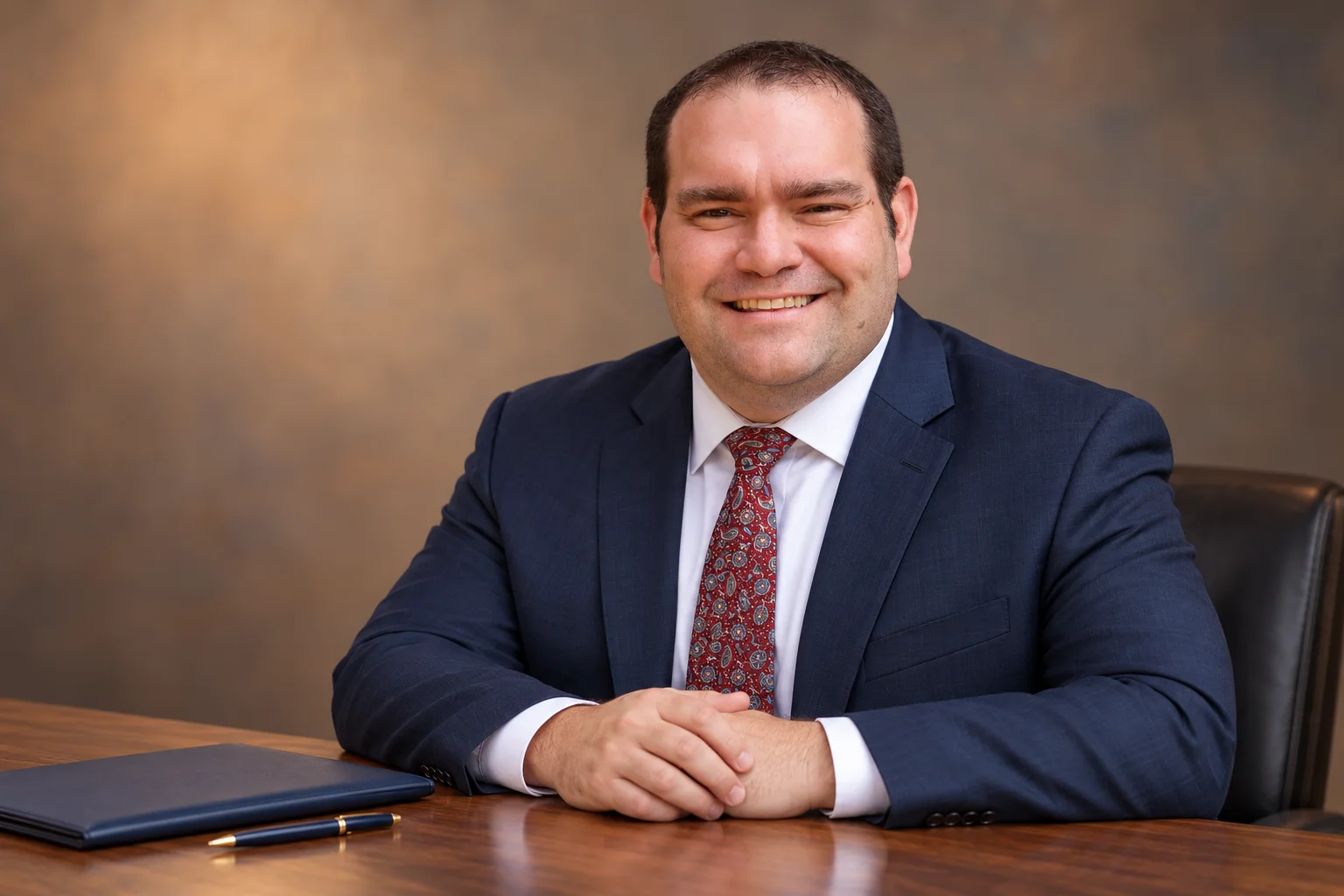
A PUBLIC REVIEW OF MIKE GREEN
“Mike is such a great attorney. He’s incredibly knowledgeable and helpful”
Samantha Scott · Google review displayed on Birdeye
Read the public reviewLOCAL GUIDANCE
A Utah highway collision can involve a driver, tractor owner, trailer owner and another business arranging the load. Write down what each marking belongs to. A carrier identifier helps narrow the investigation; a familiar logo alone may point to the wrong company.
FMCSA company safety records · Checked October 25, 2026
Keep the mile marker or nearest exit, direction and investigating agency. A city mailing address does not identify who investigated a freeway crash.
Save separate plate, unit and identifying photographs if already available. Do not return to traffic or enter a truck yard to collect them.
FMCSA’s company-safety search accepts a business name, USDOT number or MC number. Match identifiers before using the result; a safety history does not decide fault in your crash.
USEFUL RECORDS
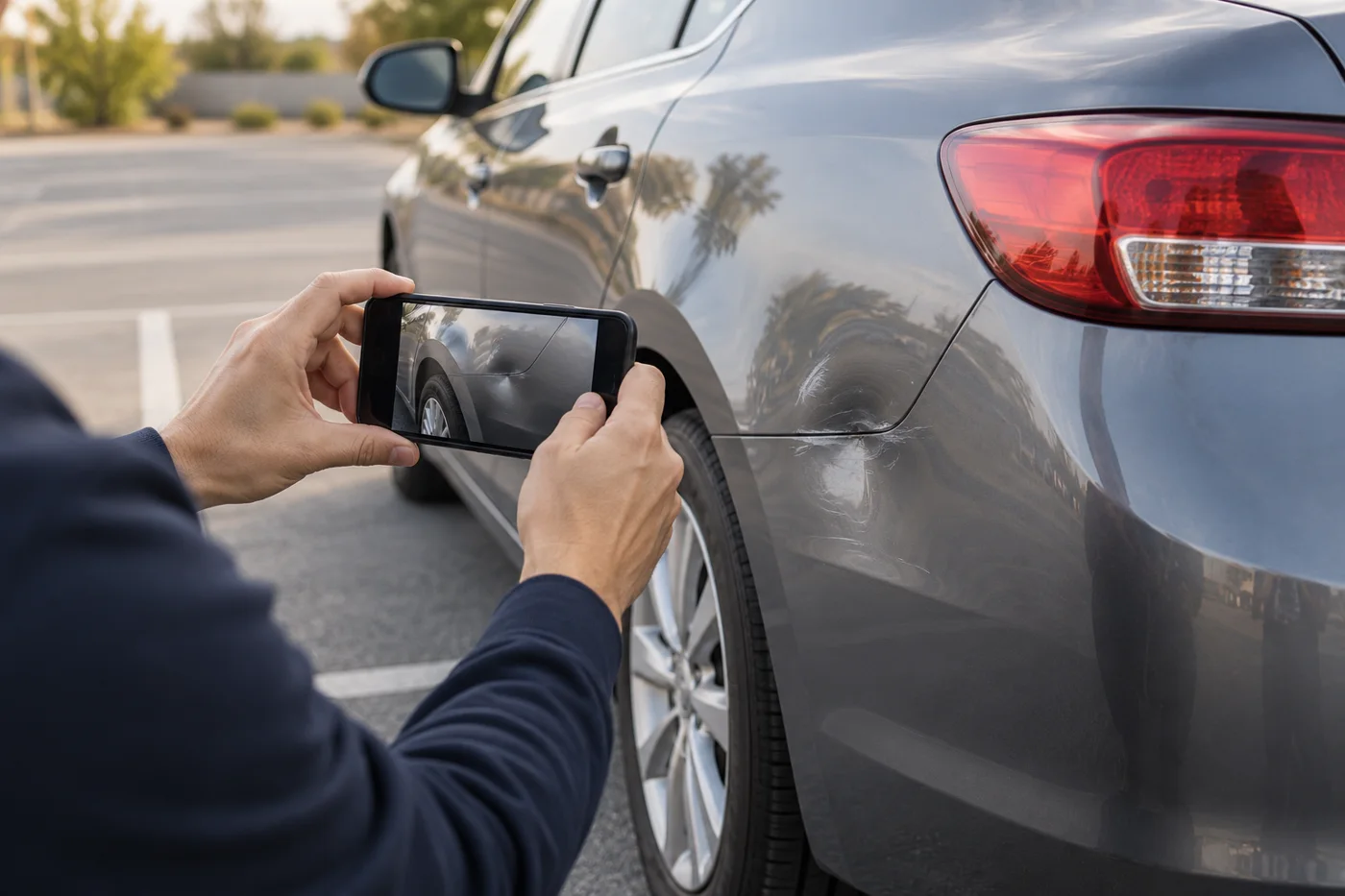
A wide scene photo and a close vehicle image answer different questions. Preserve originals, including timestamps, rather than only a cropped screenshot. Tell our team if a business or tow yard has the vehicle and whether disposal or repair is planned.
Where each vehicle was before impact, which lane was involved and what the driver or witnesses actually observed.
Visible damage, tire or cargo details already photographed, and where the tractor and trailer went after the crash.
Dashcam contacts, nearby business cameras and any reference to fleet recordings. Recording availability must be checked, not assumed.
More paperwork is useful only when it answers the disputed fact. We start with the carrier’s explanation, then identify records that could test it. Federal rules do not apply in the same way to every vehicle or trip; the truck and operation need review.
YOUR COMPENSATION
A fast vehicle payment can leave a long recovery unresolved. Keep repair negotiations separate from the injury discussion and bring every proposed release. We press for the full supported claim while explaining what an offer would end.

Keep bills, treatment records and documented restrictions. Identify expected care as a question for the treating professionals.
Save pay records, missed shifts and changes in duties. Self-employed people can bring canceled jobs and business records.
Describe specific changes in driving, sleep, household work or family responsibilities. Concrete examples explain losses better than a general claim of pain.
The agreed representation gives you help with the evidence, paperwork and insurance work. You make the important decisions.
Identify the trucking businesses and preserve relevant evidence.
Prepare the supported injury demand.
Handle the agreed communications and negotiations.
Answers for utah truck accident claims. Start with your situation and ask us about the details that differ.
It helps identify the operator, but you can start without it. Bring company names, plates, unit numbers or photos you already have. Do not guess a number from a similar truck online.
Yes. Keep tractor and trailer information separate. We investigate the operating arrangements rather than assume one logo identifies every responsible business.
Give the exit, direction, approximate time and any report reference. Mark estimates as estimates. Those details can help locate the investigation and possible witnesses.
Keep any contact you already received and share it with us. We can discuss preservation and handle agreed communications without leaving you to argue with company representatives.
It may, but a camera or recording should never be assumed. Tell us what you saw and who may hold it so preservation needs can be evaluated promptly.
No. FMCSA information can help identify a carrier and frame questions. The cause of your collision still depends on incident-specific evidence.
Tell us where the crash occurred and anything known about the trip. The route and operation can affect which rules and businesses need investigation.
We examine movement, braking, following distance and the available accounts. The impact location is relevant, but it does not replace a full review of the collision.
Keep existing photos of the load, vehicle and debris location. Loading, securement and operating arrangements may raise different responsibility questions.
Tell us about planned repair, sale or disposal before important evidence changes. Safety and practical needs matter; discuss what documentation or inspection may be useful.
Keep each driver and insurer separate in your notes. We examine the sequence of impacts and available coverage rather than assume the first report resolves every claim.
Bring business records showing actual work changes, canceled jobs and expenses. A supported calculation needs more than an estimate of normal weekly income.
We compare it with the evidence and unresolved losses, negotiate the supported claim and explain your options. You decide whether to accept a settlement.
No. Coverage limits are not case value. Responsibility, applicable coverage, evidence and losses all affect what may be recovered.
Timing depends on the injury, disputed facts, records and insurer response. We push the work forward without promising a settlement date or sacrificing unresolved losses for speed.
The claim type, parties and circumstances matter. Bring the date and every notice promptly so the applicable filing and any special notice requirements can be reviewed.
No. Start with what you have and explain ongoing care. We can discuss the missing records and the work involved in building the claim.
Yes. 801 Injured offers intake, attorney communication and written updates in Spanish. Tell the team your preferred language when you contact us.
Our office is at 136 E 12300 S Suite B, Draper, UT 84020. We serve Utah injury matters; contact the team to arrange a visit.
The case evaluation is free. If representation is offered, the written contingency agreement explains attorney fees, case costs and the scope of the work.
A truck accident attorney can investigate the carrier, vehicle and work arrangement alongside the collision itself. Bring company names, photographs and report details. Our team can then identify relevant records and address responsibility, coverage and the family’s losses.
A Utah trucking lawyer may need to distinguish the driver, carrier, vehicle owner and other businesses involved. The investigation follows the actual trip and evidence; a company logo alone does not establish who controlled the vehicle or caused the collision.
A truck accident law firm can organize the commercial-vehicle evidence and handle the agreed insurer communications while you recover. Ask how the firm will pursue missing records, document your losses and prepare for a disputed claim.
YOUR NEXT STEP
Bring the crash date, truck details and messages you have. We can start by identifying the missing pieces, the businesses involved and the insurance issues. You do not need a completed federal investigation before asking for help.
Share the date, place and main concern. Identify urgent notices or requests and tell the team what information is still missing.
Discuss the evidence and insurance questions, how updates work and the scope and written terms of any representation offered.
Our intake or answering team can arrange attorney follow-up. Bring your questions and preferred language; a complete file is not required to ask.

© 2026 801 Injured. All rights reserved. Privacy Policy
General information, not advice for a particular case. An inquiry does not by itself establish representation. Past results do not guarantee a similar outcome.