The explanation keeps changing
Keep the original messages and note who gave each account. We compare the timeline rather than ask you to choose a version without evidence.
Fight for your child’s full recovery
Your child’s injury deserves more than a rushed explanation from a daycare. 801 Injured investigates what happened, challenges the insurer and pursues the compensation your child’s case supports while you focus on your family.
Tell us what happened. Start here.
YOUR SITUATION
Choose the situation closest to yours. Bring the facts you know; our team can investigate the gaps and explain how the claim work would proceed.
Keep the original messages and note who gave each account. We compare the timeline rather than ask you to choose a version without evidence.
Identify the activity, room or play area and what you actually know. Staffing, maintenance and the injury event need separate investigation.
Bring care instructions and practical changes at home. A child’s recovery may affect school, activities and family schedules in ways an incident form misses.
WHY CHOOSE 801 INJURED
Parents should not have to choose between caring for a hurt child and chasing a facility’s insurer. We take on the agreed investigation and claim work, with attention to the child and the evidence that explains what changed.
We examine medical care and other legally recoverable harm. Your child’s case should not be reduced to the first bill or a facility’s quick explanation.
We compare the incident timeline, messages and available records. A statement that accidents happen does not answer the supervision or condition questions.
We evaluate what incident materials, recordings or staffing information may need preservation. Records should be connected to the actual activity and time.
Tell us your concerns, care schedule and preferred language. Full Spanish attorney communication and written updates are available.
We manage agreed communications and negotiations and explain decisions concerning the child’s claim, including any additional legal process that applies.
The initial evaluation is free. Written contingency terms explain attorney fees, case costs and the scope of any proposed representation.
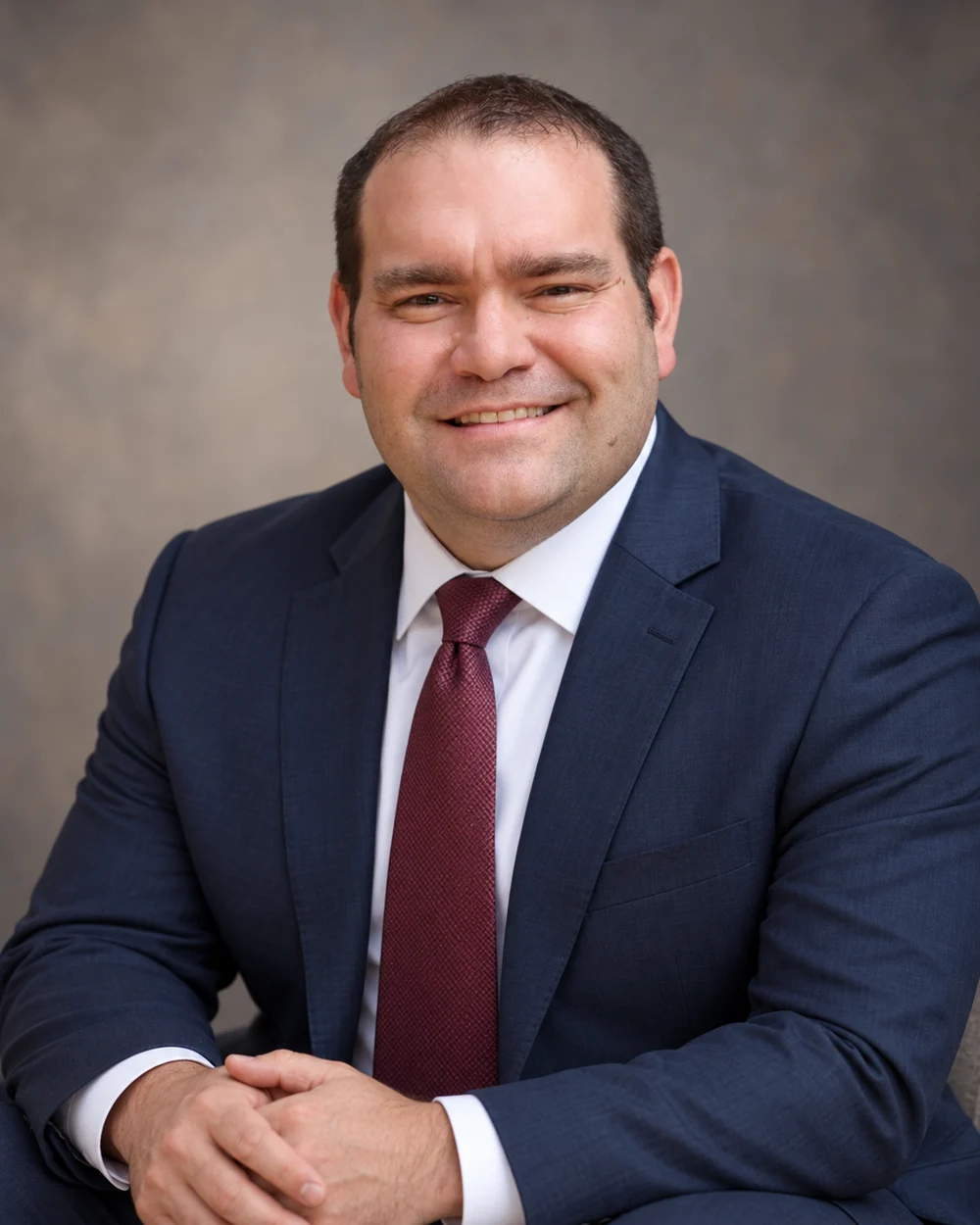
A PUBLIC REVIEW OF MIKE GREEN
“Mike is such a great attorney. He’s incredibly knowledgeable and helpful”
Samantha Scott · Google review displayed on Birdeye
Read the public reviewUSEFUL RECORDS
Preserve messages as received, including attachments and timestamps. Write down the staff member’s name and the words you remember without editing them into a conclusion. A clear timeline helps us identify which facts are established and which need investigation.

Keep drop-off and pickup times, messages and the people you spoke with. Mark estimates instead of filling in an uncertain time.
Save the facility report, photos and later explanations separately. A revised account should not replace the original in your records.
Keep medical instructions and dated examples of activity changes. Let treating professionals assess symptoms; an online description is not a diagnosis.
LOCAL GUIDANCE
Utah DHHS’s parent guide links to licensing records and routes for reporting concerns. Search the actual program and address; a similar business name may identify a different location. A licensing history can frame an investigation without deciding your child’s civil claim.
Utah DHHS: parent guide, licensing records and concerns · Checked October 25, 2026
Keep the enrollment name, address and operator information. Identify the program type rather than assume every daycare follows identical requirements.
Save relevant inspection or complaint material with its date. A past citation is not proof of what happened during your child’s injury.
A licensing concern, suspected abuse report and civil compensation claim have different purposes. Use the appropriate official route for an urgent safety concern.
Different daycare events need different questions. Our team connects the child’s age, program type, activity and time to the appropriate standards and records. We do not apply a single staff ratio or equipment rule to every Utah program.
YOUR COMPENSATION
A child’s injury may involve follow-up care and changes in ordinary activities. We work to present the supported losses and explain any legal steps needed for the child’s claim, rather than treat a quick insurer payment as the only option.

Keep treatment records, recommendations and follow-up plans. Future care questions should be supported by appropriate medical evidence.
Record specific limits involving school, play or ordinary routines, with dates. Avoid attributing every change to the incident without professional assessment.
Save relevant receipts and missed-work information. Which losses belong to which claim requires legal review, so keep them organized without assuming all are recoverable.
The agreed representation gives you help with the evidence, paperwork and insurance work. You make the important decisions.
Review supervision, staffing and the incident account.
Organize the information needed for the injury claim.
Explain the proposed representation and next decisions.
Answers for utah daycare injury claims. Start with your situation and ask us about the details that differ.
No. The activity, supervision, condition and cause must be investigated. An injury deserves a serious review without assuming fault from the outcome alone.
Keep the report, original messages, attachments and the names of people who spoke with you. Preserve later explanations separately rather than overwriting the first account.
Utah DHHS’s parent guide links to licensing records. Match the program and address, keep dates and distinguish a historic issue from evidence of the specific injury.
No. It may raise a question, but the incident date, activity and evidence must still be examined. Regulatory history does not automatically establish civil responsibility.
The Utah DHHS parent guide links to official concern and child-abuse reporting routes. Immediate danger needs emergency help; a civil inquiry should not delay a safety report.
A regulatory concern and a civil compensation claim are separate processes. Do not assume a report starts an injury claim or preserves legal deadlines.
No single number should be applied without checking the program type, ages, activity and current standard. Bring the specific group details for review.
Keep each account with its source and time. We investigate the inconsistency without asking you to turn an uncertain statement into a concluded fact.
Share observations and any spontaneous account with appropriate professionals. Avoid coaching or repeated questioning intended to produce a particular explanation.
Tell us about possible cameras promptly. Retention and access vary; do not assume footage exists or will remain available throughout an investigation.
Read it, ask for a copy and distinguish a factual report from a release or waiver. Bring documents affecting rights to the evaluation.
Its wording, circumstances and applicable law need review. Do not assume a signed enrollment packet either eliminates or guarantees a civil claim.
Keep existing photos and the exact item and location. Ownership, maintenance and product questions may need separate investigation.
Identify the trip, vehicle, driver and operator. Transport can introduce coverage and responsibility issues beyond the daycare room itself.
A minor’s claim can involve additional legal requirements. We explain the applicable process and authority rather than treat it as an ordinary adult settlement.
Potential future care needs appropriate support. Bring the treating professional’s recommendations and unresolved questions rather than relying on a generic injury estimate.
Children’s claims can raise special timing and party issues. Seek a prompt review of the actual circumstances instead of assuming a minor always has unlimited time.
Yes. Bring the facts and records available now. A pending licensing or police matter should remain described as pending, and we can discuss parallel evidence needs.
Yes. Our team offers Spanish intake, attorney communication and written updates so you can discuss the child’s case in your preferred language.
The initial evaluation is free. If representation is offered, written terms explain who is represented, the work, contingency attorney fees and case costs.
A daycare injury attorney can compare the facility’s incident account with the timeline, supervision information, family messages and care records. You can contact us with gaps in the file; parents do not need to complete a licensing investigation before asking for an evaluation.
A child injury lawyer reviews how the event happened, the organization involved and who can act for the child. Tell us the child’s age, known timeline and any reports already made so the representation and evidence questions can be considered together.
A daycare injury law firm can organize the agreed records and insurer communications while keeping the family informed. We explain the proposed work, important decisions and missing information without turning a licensing concern into an assumed finding of civil fault.
YOUR NEXT STEP
You can begin with the facility’s name, injury date and account you received. We can identify the immediate evidence questions, explain how representation would work and discuss what is missing. You do not need a completed licensing investigation to contact us.
Share the date, place and main concern. Identify urgent notices or requests and tell the team what information is still missing.
Discuss the evidence and insurance questions, how updates work and the scope and written terms of any representation offered.
Our intake or answering team can arrange attorney follow-up. Bring your questions and preferred language; a complete file is not required to ask.

© 2026 801 Injured. All rights reserved. Privacy Policy
General information, not advice for a particular case. An inquiry does not by itself establish representation. Past results do not guarantee a similar outcome.