You fell on the bus
Describe where you were, the movement and what you observed. We investigate the reason for the movement and available evidence rather than assume a fall proves fault.
Pursue the full payout you deserve
A bus injury can leave you facing medical bills and an organization with its own account of the event. 801 Injured investigates the trip, challenges disputed responsibility and fights for maximum compensation. Let our team take on the claim work.
Tell us what happened. Start here.
YOUR SITUATION
You may have been a passenger, a parent or someone in another vehicle. You do not need to know every company involved before asking us to evaluate the injury.
Describe where you were, the movement and what you observed. We investigate the reason for the movement and available evidence rather than assume a fall proves fault.
Keep the stop, trip and details of the step, ramp or door involved. The vehicle, pickup area and service provider can raise different responsibility questions.
Identify the school, trip organizer or other vehicle and the messages you have. Our work starts with the actual people and operator, not the color or name on a bus.
WHY CHOOSE 801 INJURED
You should not have to negotiate with a transportation company while trying to recover from an injury. 801 Injured takes on the agreed investigation, paperwork and insurance communications. We pursue the compensation your case allows and prepare to challenge an operator’s account with evidence about the actual trip and injury.
We pursue recoverable medical costs, lost earnings and other injury losses. Minimal damage to a bus does not tell the whole story of an injured passenger.
We examine the trip, vehicle movement and available evidence. A company’s internal account deserves scrutiny rather than automatic acceptance.
Our team works to identify the operator, relevant records and responsible parties. You do not have to navigate the whole transportation arrangement by yourself.
We identify possible recordings, trip details and notice issues so the claim has a clear next step. Prompt preparation matters without promising how quickly a case will resolve.
A child’s school trip, a commuter’s fall and a bus-versus-car crash affect different lives. We shape the case plan around the person injured and the recovery ahead.
Your evaluation is free. Contingency attorney fees depend on a recovery, so you can seek help without paying attorney fees before compensation is recovered.
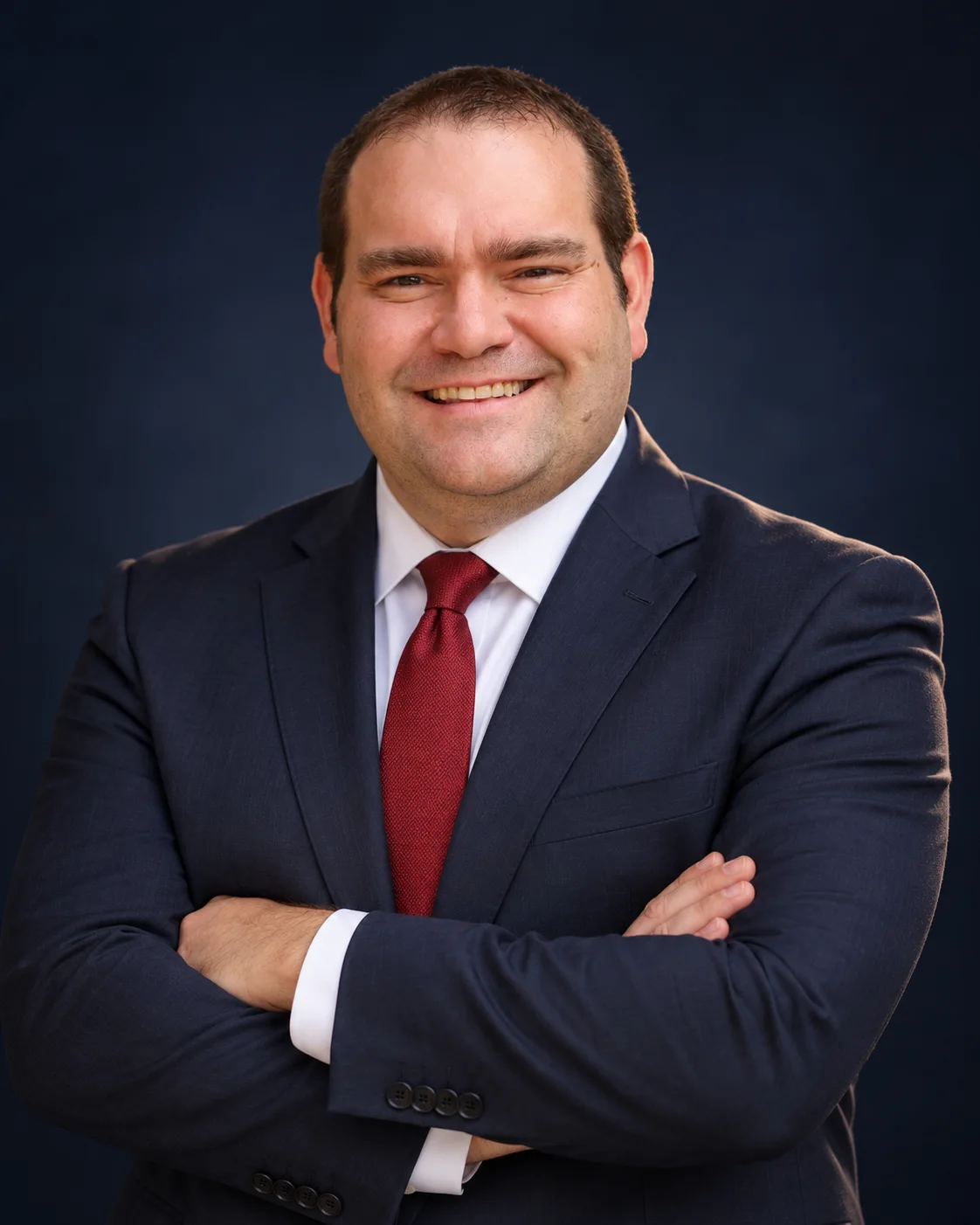
A PUBLIC REVIEW OF MIKE GREEN
“Mike is such a great attorney. He’s incredibly knowledgeable and helpful”
Samantha Scott · Google review displayed on Birdeye
Read the public reviewLOCAL GUIDANCE
Official local source: Review the agency’s guidance and its dates
UTA publishes a records-request form, fee schedule and GRAMA email route. That resource applies to records UTA holds; it is not a universal Utah bus-claims portal. School districts, contractors, charter companies and shuttle services may create different records and involve different legal relationships. Start with identifiers you can verify. The route name, school name or destination is useful but may not be the legal name of every entity relevant to the claim.
Identifying the right operator helps us aim the claim at the right organization and review special requirements early. You can start with a ticket, school message or the trip you remember; our team can investigate the gaps.
Keep route, direction, stop, time and fleet number where known. A record request should identify the event and material sought; it does not itself satisfy claim-notice requirements.
Identify the district or organizer and whether a transportation contractor was involved. Preserve parent communications and the incident reference without assuming ownership from the bus color.
Retain the itinerary, booking terms, carrier information and vehicle markings. The company that sold the trip may differ from the company that supplied the driver.
Save reservation and pickup information and who provided the service. Vehicle, premises and employment relationships may all require investigation.
A bus claim is not limited to two vehicles colliding. The useful question is what movement or condition allegedly caused the injury, what anyone could observe and which records could test that account. We do not assume that an injury or a sudden stop automatically proves negligence.
Preserve vehicle positions, exterior damage and accounts of the approach. Other drivers, contractors or entities may need investigation alongside the operator.
Record where you stood, available handholds, movement and what you personally saw. The reason for braking and the surrounding traffic can matter as much as the fact that you fell.
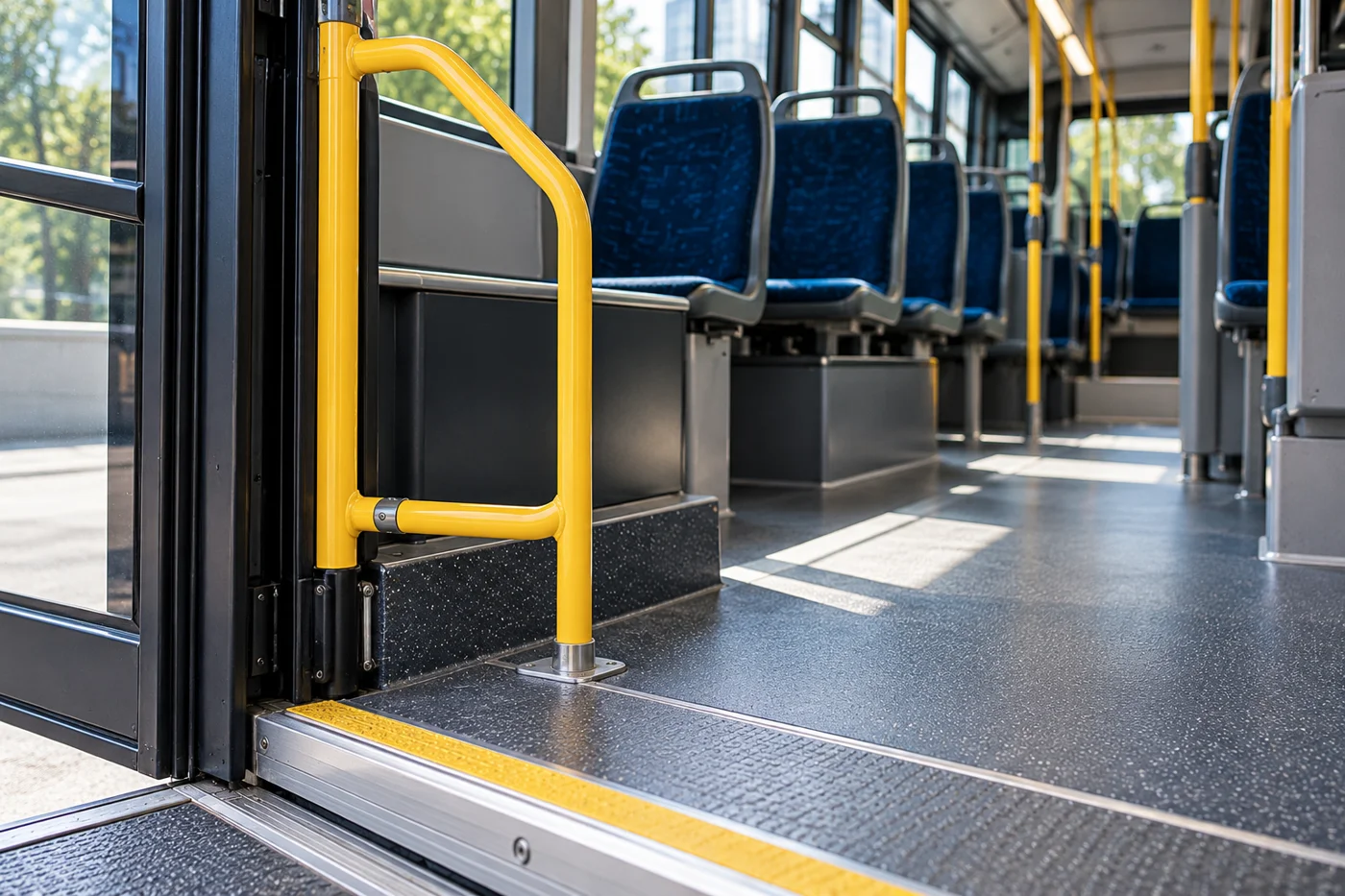
Describe the step, ramp, gap, surface, door and movement involved. Identify the stop or pickup area and whether assistance was requested or provided.
Keep the school or contractor’s communications and the child’s account without coaching it. Identify who observed the event and who created any report; protect the child’s private information.
A bus operator may have a claims department before you even know which company ran the trip. You deserve someone working for you. 801 Injured helps injured passengers, families and other road users pursue compensation after Utah bus incidents. We investigate the operator, build the claim and take on the insurance discussions so you do not face that process alone.
A fall while boarding can cause serious disruption without a vehicle repair bill. Your compensation demand should address the injury and recoverable losses.
We examine who operated the bus and which parties belong in the claim rather than leaving you to sort out company names.
A ticket, route or school message is enough to start a conversation about the help you need.

USEFUL RECORDS
A boarding time, stop location or ticket can help narrow a search for records. Keep original app screenshots and receipts with their dates. Record where you were seated or standing, what you observed and the names or contact information witnesses voluntarily provide. Describe the event in order. Do not enter restricted areas or try to obtain recordings from an employee's device yourself.
Keep the original. Record the source. Mark what is still unknown.
UTA’s records route covers material UTA holds; school and private services can have different records. A short trip note can narrow an evidence search even when you do not know the fleet number. Keep your own records instead of guessing which company kept a recording.
We use the trip details to focus the investigation and pursue the responsible parties. You get help facing the operator and insurer, while our team evaluates any special public-entity requirements separately.
UTA: scope of its records-request route · Checked October 25, 2026
Save the route, direction, date, approximate time and stop or pickup location. For a private trip, keep the booking or school message.
Mark where you sat, stood or boarded and which movement you observed. A simple sketch can explain your position without claiming to reconstruct the whole event.
Tell us whether the disagreement concerns braking, a collision, a ramp or a surface. We can assess which records may answer that question and whether urgent preservation is needed.
YOUR COMPENSATION
The absence of a repair estimate does not eliminate the need to document the injury. Keep the treatment history and a dated explanation of work, mobility and household effects. Be precise about symptoms and improvements, and let qualified providers address diagnosis and prognosis. A settlement discussion should be based on what can be supported, not the size of the bus or an assumed insurance limit.

Save care records, recommendations and medically supported activity restrictions. Identify the dates and providers so the sequence can be understood.
Keep absences, modified duties and relevant communications. For a child, preserve school-related information without posting private records publicly.
Track transportation, assistance and other claimed expenses with dates and receipts. Identify which costs relate to the event and which have already been paid.
List unanswered care and benefit questions. Future losses and reimbursement obligations need review before assuming a gross offer fully resolves the person’s situation.
Utah’s government-claims law sets requirements for claims involving governmental entities or employees. Applicability, recipient, content, delivery and timing need individual review. A private carrier raises a different starting point. Identifying the operator early helps avoid applying the wrong process.
| Issue | What needs review |
|---|---|
| Incident report | Telling a driver, school employee or customer-service representative may create an internal record. Do not assume it completes legally required notice. |
| Records request | A GRAMA request seeks existing material. It is different from preserving evidence, asserting a claim and delivering legally sufficient notice. |
| Preservation | Potential video, vehicle data and dispatch information should be identified promptly. Their existence, retention and availability must be confirmed rather than promised. |
| Legal evaluation | Review any public-entity involvement and additional responsible parties. A bus’s public appearance does not resolve immunity, coverage or the availability of recovery. |
The agreed representation gives you help with the evidence, paperwork and insurance work. You make the important decisions.
Identify the actual bus arrangement and relevant records.
Build the compensation demand from documented losses.
Review urgent requirements and handle agreed follow-up.
23 USEFUL ANSWERS
Bus injury questions turn on the trip, operator and mechanism before they turn on a settlement amount. These answers address public transit, school transportation, private services and injuries without a collision. Save the identifiers you have and flag possible public-entity involvement promptly.

QUESTIONS 1–6
No. Public transit, school and private transportation can raise different entity, evidence and notice questions. Identifying the actual operator is an early priority.
The event may involve boarding, movement or a condition inside the bus. Whether there is a claim depends on what occurred, responsibility, injury and applicable law.
Save the route, stop, direction, date, approximate time, ticket and payment information you have. Explain any uncertainty rather than inventing an identifier.
UTA’s official records page links a request form and fee schedule and gives a GRAMA email address. Use the current official instructions; access and availability can vary.
Do not assume so. Records access and a legally sufficient notice of claim serve different purposes. Have the entity, recipient and timing reviewed promptly.
Do not rely on a generic retention period. Operator, equipment, incident flags and policy can differ. Raise preservation promptly and avoid assuming that footage exists or is releasable.
QUESTIONS 7–12
No. The route identifies the service while a fleet or vehicle identifier can identify a particular bus. Save both if you have them, with the direction and time. If one is unknown, explain the uncertainty rather than entering a guessed number in a request.
Keep the school communications and any operator name on the vehicle or trip documents. The school, district, contractor, driver’s employer and vehicle owner may have different roles. Their actual relationships need review before assuming a notice rule or insurance policy applies.
Not by itself. Describe the movement, your position and what you saw before it occurred. Traffic circumstances, available recordings and witness observations can help evaluate why the driver braked and whether there is evidence of unreasonable conduct.
Record the precise stop, where you were relative to the vehicle, the condition involved and the time. A claim may concern a vehicle movement, a stop condition or another event. Ownership and maintenance of the location should be investigated rather than assumed.
Yes, keep the trip, purchase or booking information available, including dates and identifiers. It may help narrow the event even if it does not itself establish liability. Preserve original exports or screenshots and keep personal payment information private.
An operator’s investigation may provide relevant information but is not a substitute for independent evaluation of responsibility, causation and damages. Keep any written findings or correspondence and distinguish an allegation, investigation and legally established conclusion.
QUESTIONS 13–16
No website can guarantee that a recording exists or can be obtained. Raise possible video promptly, including interior and exterior systems. The investigation must address the relevant vehicle, time window, preservation, access and any restrictions.
Yes. Explain whether you were a driver, passenger, pedestrian or another road user and identify the vehicles. The operator and other parties may need review. Preserve your own records rather than assuming that the bus company’s file contains everything your claim needs.
You can contact the firm while care is underway. Describe what has been evaluated and what remains uncertain. The firm does not provide medical diagnosis; the legal review can identify evidence and timing questions while you obtain appropriate care.
Start with the information you have: ticket, route, vehicle markings, school or booking message, date, location and incident reference. A free evaluation can focus on identifying the operator and urgent questions. The intake or answering team may arrange attorney follow-up.
MORE HELP FOR YOUR SITUATION
It can raise questions about the vehicle, operator and the pickup or boarding area. Keep the exact location and explain which movement or condition injured you. We investigate control and responsibility rather than assume the bus company owned every part of the stop.
Keep it anyway. The trip time, route, booking or school message may help narrow the inquiry. Note which details are estimates and what is unknown. An incomplete ticket should not prevent you from asking for an evaluation.
We examine missed earnings, daily limitations and other recoverable losses alongside the medical record. Available compensation depends on responsibility, coverage and applicable law. The goal is to present the full supported injury claim, not only the first invoice.
Do not assume that an incident report or records request satisfies legal notice requirements. Claims involving public entities can have separate rules about content, delivery, recipients and time. Tell us promptly if UTA or another public operator may be involved.
A bus accident attorney can identify the operator, trip arrangement and records relevant to the injury. A transit route, school service and private shuttle should not be treated as the same arrangement. Keep the route, vehicle identifier, ticket or school message you already have.
Bring the incident date, operator details, trip records, care information and any agency or insurer notice. A bus injury lawyer can then examine responsibility, possible coverage and urgent legal requirements without assuming every bus is operated by the same public organization.
A bus accident law firm can organize the operator evidence and handle agreed communications while you recover. We build the demand around supported losses and explain how the actual operator and trip affect the investigation.
UTA publishes a records-request form, fee schedule and GRAMA email route. That is useful for UTA-held material; it is not a substitute for every operator's process or for legal notice requirements. Tell counsel promptly if a governmental entity may be involved. Utah's government-claims statutes include special notice and action requirements whose applicability, recipient and timing need individual review. Requesting a record should not be treated as filing the required legal notice.
YOUR NEXT STEP
Tell 801 Injured about the trip and the injury. We can discuss who needs to answer the claim, the compensation to pursue and how our team can handle the agreed work for you. Start with a free evaluation.
Share the date, location, injury and any urgent notice.
Records can be incomplete; identify the missing pieces.
Our team arranges attorney follow-up. Review scope and written terms before hiring us.

© 2026 801 Injured. All rights reserved. Privacy Policy
General information, not advice for a particular case. An inquiry does not by itself establish representation. Past results do not guarantee a similar outcome.