Pursue more than the first offer
A crash, fall or dog injury can affect your income and daily life. We make those losses part of the compensation discussion.
Get the maximum payout you deserve
Hurt in Draper? Put 801 Injured on your side. We fight for maximum compensation, push back on low insurance offers and handle the claim work so you can focus on getting better.
Tell us what happened. Start here.
Bills and missed work do not wait while a business or insurer decides what your injury is worth. Put 801 Injured on your side. From our Draper office, we pursue the compensation your case allows and take on the investigation and insurance discussions. You get a team focused on your recovery, with a real local place to turn when you have questions.
A crash, fall or dog injury can affect your income and daily life. We make those losses part of the compensation discussion.
Our office is at 136 E 12300 S Suite B. Arrange a visit or contact the team for help in English or Spanish.
You bring the facts you know. We organize the agreed evidence requests and insurance work around your particular injury.
WHY CHOOSE 801 INJURED
A crash, a fall or a dog injury can leave you paying the price for someone else’s actions. Our Draper team fights for maximum compensation and takes the insurance burden off your shoulders. We build your claim around the harm to your health, work and daily life, then push for a payout that accounts for the losses your case supports.
We look beyond the first medical bill. Missed pay, ongoing care and other recoverable losses belong in the demand. Your Draper injury deserves a full claim, not a quick number based on one expense.
A low offer or blame argument should have to stand up to the evidence. We examine the driver’s or business’s account, challenge gaps and prepare for litigation when the dispute calls for it.
We follow up on missing records and insurance questions so the next step does not get lost in paperwork. We press for progress while helping you understand what a proposed settlement would resolve.
Our office is at 136 E 12300 S Suite B in Draper. Your work, care and family concerns guide the case. Get help in English or Spanish, including attorney communication and written updates.
You should not have to chase a driver, property manager and insurer while recovering. Our team handles the agreed investigation, documents and negotiations, and explains the decisions that need your input.
Start with a free evaluation. We offer contingency fee representation, with attorney fees based on a recovery. You can ask for help without paying attorney fees upfront.
A PUBLIC REVIEW OF MIKE GREEN
“Mike is such a great attorney. He’s incredibly knowledgeable and helpful”
Samantha Scott · Google review displayed on Birdeye
Read the public reviewYOUR SITUATION
The right starting point is what happened to you. A fall, dog injury and crash need different investigations, even when they happen near the same street.
Bring the location, vehicle details and any insurer contact. We examine the crash and coverage rather than treat every collision as the same claim.
Describe the exact condition and who used the area. We look at control, available records and how the injury changed your work and daily life.
Tell us who was hurt and which business, animal or organization was involved. We can discuss the claim questions and who can act for the injured person.

USEFUL RECORDS
For a collision, preserve vehicle and scene information. For a fall, the condition before it changed, the time and the location within the property can matter. For a dog injury, owner or keeper identification, witnesses and the responding animal-control agency may be important. Keep original photographs and contemporaneous messages. A city record may help establish one fact without proving every element of a civil claim.
Keep the original. Record the source. Mark what is still unknown.
LOCAL GUIDANCE
Official local source: Review the agency’s guidance and its dates
Draper’s official site separates accident reports, police records and non-police city records. It also provides a dedicated Animal Services reporting route. Those are useful starting points, but the right path depends on who handled your event and what you need to establish. A city document may address the scene without answering the entire civil case. Private surveillance, a store inspection record or an employer’s vehicle file may be held somewhere else. Keep these routes separate when preparing a request.
You can bring that uncertainty to our Draper team. We handle the agreed records and insurance work, so you can spend less time chasing departments or a business and more time on recovery.
Start with the investigating agency and report reference. Ask separately about relevant photographs or recordings rather than assuming they accompany the report.
Identify the existing inspection, maintenance or project record you need. A non-police request should describe a document, location and date range.
Keep the owner or keeper details and any animal-report reference. Use Draper’s animal-issue guidance for the appropriate reporting process; reporting does not decide compensation.
Identify the business and who controlled the area. Preserve your incident acknowledgement and discuss lawful access to private records with counsel.
We adapt the investigation to the event. A dramatic photograph alone may not establish who was responsible. These evidence questions show what makes each claim different and where a focused legal review can help.
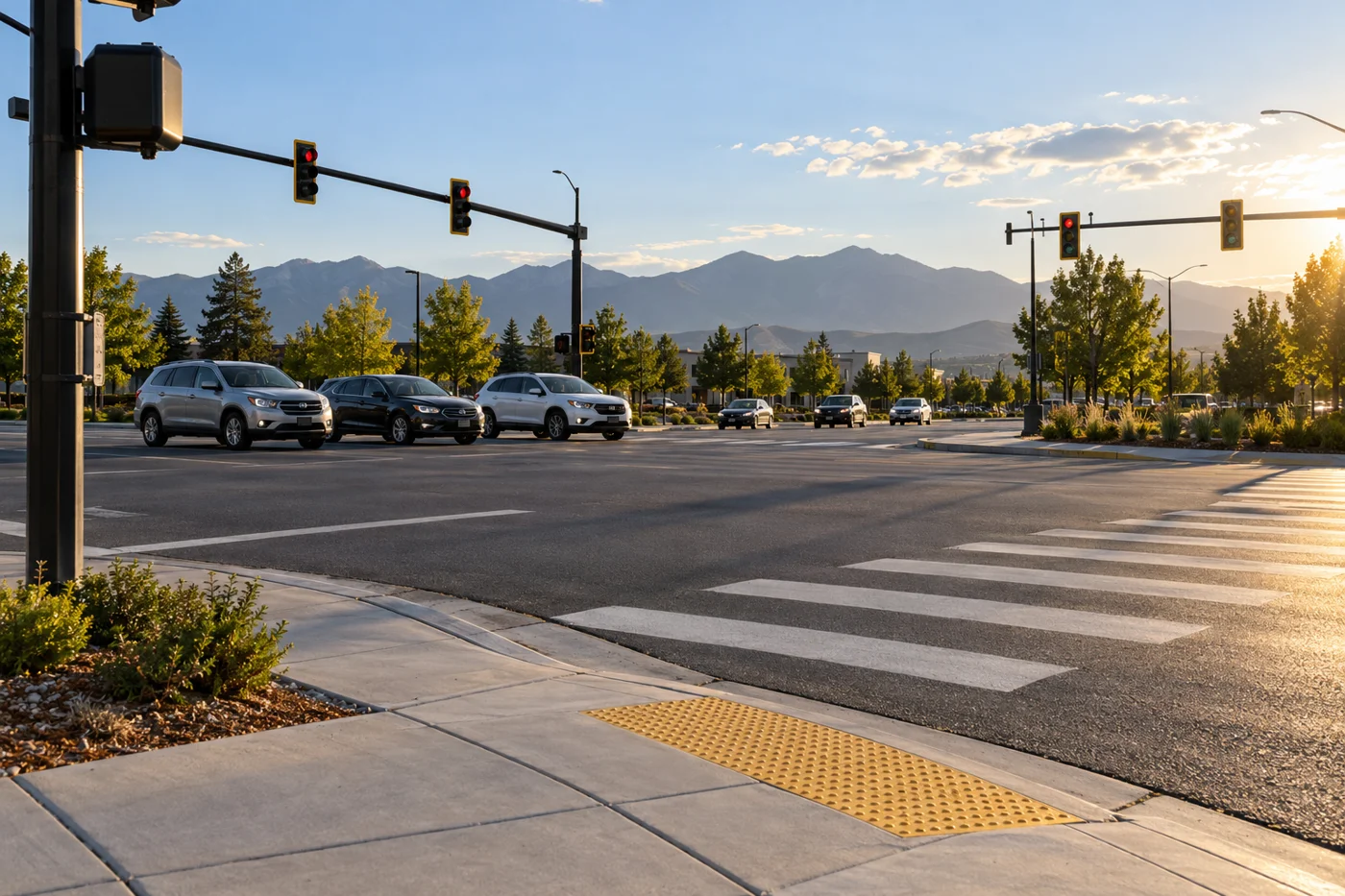
Where was each vehicle, and what happened before impact? Lane position, sight lines, witnesses and the complete recording may matter more than a general description of the intersection.
What was the condition, who controlled it and what evidence addresses how long it existed? Keep the exact area, footwear and original photographs without disturbing the scene.
Which animal and person were involved, and how did the injury occur? Preserve willing witness contacts, messages about ownership and the record of any official response.
Keep the timeline, enrollment and incident documents, communications and the identity of the supervising organization. A child’s claim can raise representation and deadline questions that deserve individual review.
Draper lists a 2019 transportation plan and a 2020 active-transportation plan. Those documents may help identify a proposal to investigate. A planning map does not show that work was built, who controlled a particular area or what was there when you were hurt.
Our job is to turn a useful lead into a focused investigation. You get a claim built around the actual place and injury, rather than a general statement that a road or property was unsafe.
Draper: dated transportation master plans · Checked October 25, 2026
Save the page, publication date and exact proposed feature. Avoid treating a broad network map as a photograph of the scene.
Identify the road, crossing, trail entrance or property area and the injury date. Separate the public route from an adjacent private entrance.
Ask what incident-date photos or relevant maintenance records could confirm. Whether an improvement existed is a separate question from whether someone was negligent.
YOUR COMPENSATION
A personal injury file needs more than a pile of receipts. Put each item in context: when it occurred, how it relates to the event and what remains uncertain. Keep a balanced record of good and difficult days. Medical professionals address diagnosis and treatment; your dated notes help explain daily function. We use the available information to identify a supportable claim, rather than promising that every expense or inconvenience is recoverable.

List providers, appointments and bills. Keep recommendations and restrictions as they were given, without turning your own notes into a diagnosis.
Save missed-shift dates, wage documentation and employer communications. If your hours changed for another reason, identify that honestly.
Note who helped with driving, shopping, caregiving or household tasks and why the injury made that help necessary.
Keep insurer letters, incident reports and proposed releases in full. An envelope or attachment may contain dates and conditions missing from a text summary.
The location identifies where to begin the investigation; the defendant and claim determine the legal analysis. A store incident and an injury involving a public vehicle can raise very different timing and notice questions. Bring the actual date and any written notice to the evaluation.
| Issue | What needs review |
|---|---|
| Public entity involved? | Flag a city vehicle, government property or public operator promptly. Records access and a legally sufficient claim notice are separate processes. |
| A minor injured? | Identify the child’s age and the proposed defendant. Do not assume every deadline waits until adulthood or that every relative can resolve the claim. |
| Road or trail plans? | Draper lists a 2019 transportation plan and 2020 active-transportation plan. Plans describe a planning framework; they do not prove the condition at your incident or that a proposed improvement was built. |
| Insurer making an offer? | Keep the proposed release and determine exactly what it covers. Do not judge the entire claim from the check amount alone. |
The agreed representation gives you help with the evidence, paperwork and insurance work. You make the important decisions.
Identify the agency, business or property records that matter.
Build the demand around your actual losses.
Handle the agreed claim communications and follow-up.
23 USEFUL ANSWERS
Draper injury questions often begin with where to get a record and grow into who was responsible and what the injury changed. The answers below distinguish city processes, private evidence and the decision to seek legal help. They cover collisions, premises incidents and other injury situations without assuming one formula fits them all.
QUESTIONS 1–6
Use the city's official accident-report and police-request routes, and first check which agency investigated. The correct agency may differ from the city named in a mailing address.
A request should identify existing records. Civil responsibility requires analysis of the facts and law; an agency's record-production process is not a legal evaluation service.
Do not assume it will. Identify possible recordings separately and ask about the correct process and preservation promptly. Availability and access restrictions vary.
Keep the business name, location, incident details and any report or contact information. Discuss preservation and lawful access with counsel rather than entering restricted areas or demanding private records yourself.
Do not rely on it to do so. Records requests and legal notice or filing requirements are different processes. Have the applicable timing reviewed separately.
Yes. Explain what you know, what you have requested and what remains uncertain. Missing records should be identified honestly rather than replaced by assumptions.
QUESTIONS 7–12
801 Injured is at 136 E 12300 S Suite B, Draper, UT 84020. The street direction is East. Use the office map link below and contact the team to arrange your visit rather than assuming an attorney is available for an unscheduled walk-in.
The firm handles personal injury matters including vehicle collisions, truck and motorcycle accidents, rideshare incidents, falls, wrongful death and daycare injuries. Tell us what happened even if you do not know the legal label. Acceptance depends on the case evaluation.
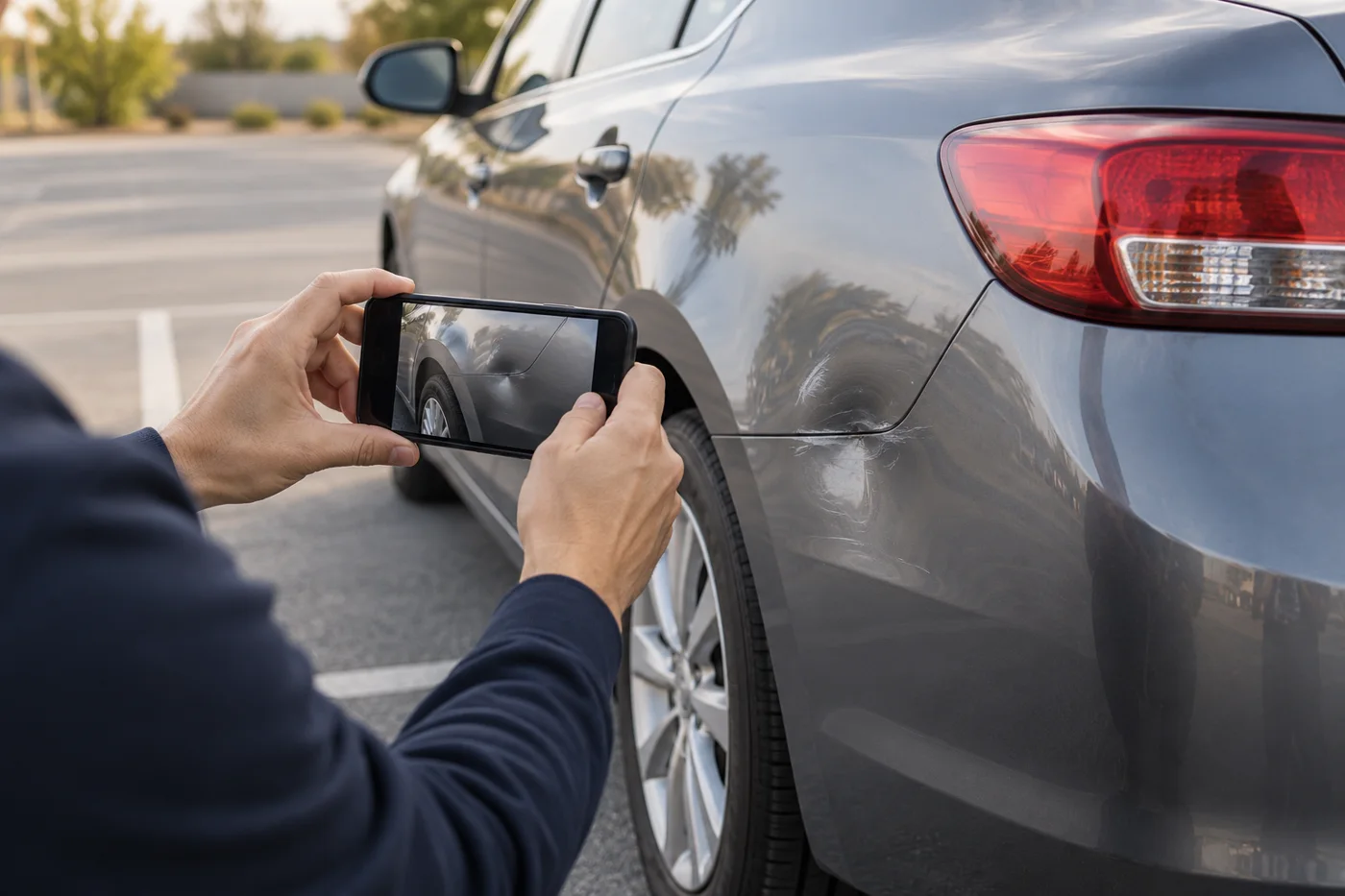
If safe and permitted, capture the condition, the wider area, lighting and nearby signs before anything changes. Keep the original files and note when they were taken. Do not recreate a spill or move objects to produce a clearer picture.
No. Reporting can create useful incident information and serve public-safety purposes, but the civil claim requires separate review. Keep animal identification, owner or keeper information, witness contacts and care records without treating an agency response as a damages award.
Do not assume so. Confirm the roadway segment and relevant public or private organization. Maintenance, investigation and record custody can involve different entities. The exact location and date help identify whom to ask and which records may exist.
A plan can provide context or identify a proposed network change. It does not by itself establish the condition on the date you were injured, implementation, negligence or causation. Contemporaneous photographs and the relevant project or maintenance records address different questions.
QUESTIONS 13–16
Read it carefully and distinguish a factual report from a release or waiver. Ask for a copy of anything you complete. Do not guess about facts you do not know, and bring any document asking you to give up rights to the legal evaluation.
The initial case evaluation is free. If representation is offered, review the written fee agreement, including contingency fees and case expenses. Asking about an injury does not guarantee that the firm will accept it or that a particular recovery is available.
Yes. The firm offers Spanish intake, attorney communication and written updates. State your language preference when contacting the Draper team so it can be reflected in the follow-up and proposed representation.
Give the actual location rather than changing it to match your home address. The firm serves Utah, and the records and legal review should follow the event. We do not need to describe every nearby location as a separate 801 Injured office.
MORE HELP FOR YOUR SITUATION
Our office is at 136 E 12300 S Suite B, Draper, UT 84020. Contact the team to arrange a visit. We also provide full Spanish service, including attorney communication and written updates.
A proposal in Draper’s published plans does not prove construction was completed. Match the plan’s date and location to your incident, then look for evidence of the actual condition. We can discuss which missing records matter.
Identify where the event began and where you fell or were struck. Keep photos showing the transition, entrance or boundary. Different people may control different areas; a shared street address alone may not answer that question.
Within the agreed representation, we handle insurer communications and negotiate the supported injury claim. We examine the business’s account, relevant evidence and your losses, so you do not have to manage each request yourself.
A Draper injury attorney can help when a collision, fall or other injury creates a responsibility or insurance dispute. The useful question is what happened and how it affected you—not whether you already know the legal label. Bring the exact Draper location and any business or agency reference.
Our Draper law firm evaluates personal injury matters throughout Utah, including vehicle crashes, property injuries and family injury claims. The office is at 136 E 12300 S Suite B; contact the team to arrange a visit rather than assuming an unscheduled attorney meeting.
After representation is agreed, a Draper personal injury lawyer can handle the communications and negotiations within that scope. Keep each company’s name, claim reference and complete request so the team can separate insurer questions from city or business record requests.
Draper's public-records page separates accident reports, police records and other city records. That distinction is useful: a request for a crash report is not necessarily a request for photographs, recordings or a maintenance document. Identify who responded and who created the material you need. If another agency investigated the event, begin with that agency rather than assuming every incident with a Draper address is held by the city.
YOUR NEXT STEP
You have enough to manage after an injury. Let 801 Injured evaluate your claim, explain how we can help and pursue the compensation your case deserves. Contact our Draper team for a free case evaluation.
Share the date, location, injury and any urgent notice.
Records can be incomplete; identify the missing pieces.
Our team arranges attorney follow-up. Review scope and written terms before hiring us.

© 2026 801 Injured. All rights reserved. Privacy Policy
General information, not advice for a particular case. An inquiry does not by itself establish representation. Past results do not guarantee a similar outcome.