The offer feels too low
Bring the offer and any release. We look at the injury claim as well as the vehicle payment, so a repair figure does not become the whole conversation.
Get the full payout you deserve
A car crash can leave you hurt, missing work and facing an insurance offer that falls short. 801 Injured fights for maximum compensation and takes the claim work off your plate. You focus on getting better; we handle the insurance fight.
Tell us what happened. Start here.
YOUR SITUATION
You do not need a complete police file or a final diagnosis to ask. Start with the injury, the insurance problem and what the crash has changed for you.
Bring the offer and any release. We look at the injury claim as well as the vehicle payment, so a repair figure does not become the whole conversation.
Tell us the point of disagreement. We examine the accounts, recordings and coverage instead of accepting the adjuster’s version without question.
Ask what our team can take over. The agreed work can include records, insurer communications and negotiations while you keep up with treatment.
WHY CHOOSE 801 INJURED
You need more than someone to forward the adjuster’s offer. You need a firm ready to press for the full compensation your case allows. 801 Injured challenges disputed fault, builds the evidence behind your losses and prepares for court when negotiation is not enough. We take on the claim work so you can put more of your attention into recovery.
We pursue compensation for the injury, missed earnings and other recoverable losses. A repair check should not set the value of the rest of your case.
A denial or low offer is a position to examine. We challenge weak explanations and negotiate from the records, coverage and facts of your Utah crash.
We organize requests, follow up on missing information and respond to insurance issues. The goal is steady progress without rushing you into an incomplete settlement.
Your work, treatment and family needs shape the case. We explain important choices and discuss an offer with you before you decide whether to accept it.
Our team manages the agreed investigation, paperwork and insurer communications. You help with the facts; you do not have to manage the whole claim alone.
Get a free evaluation before deciding to hire us. Contingency fees let you pursue the case without paying attorney fees upfront.
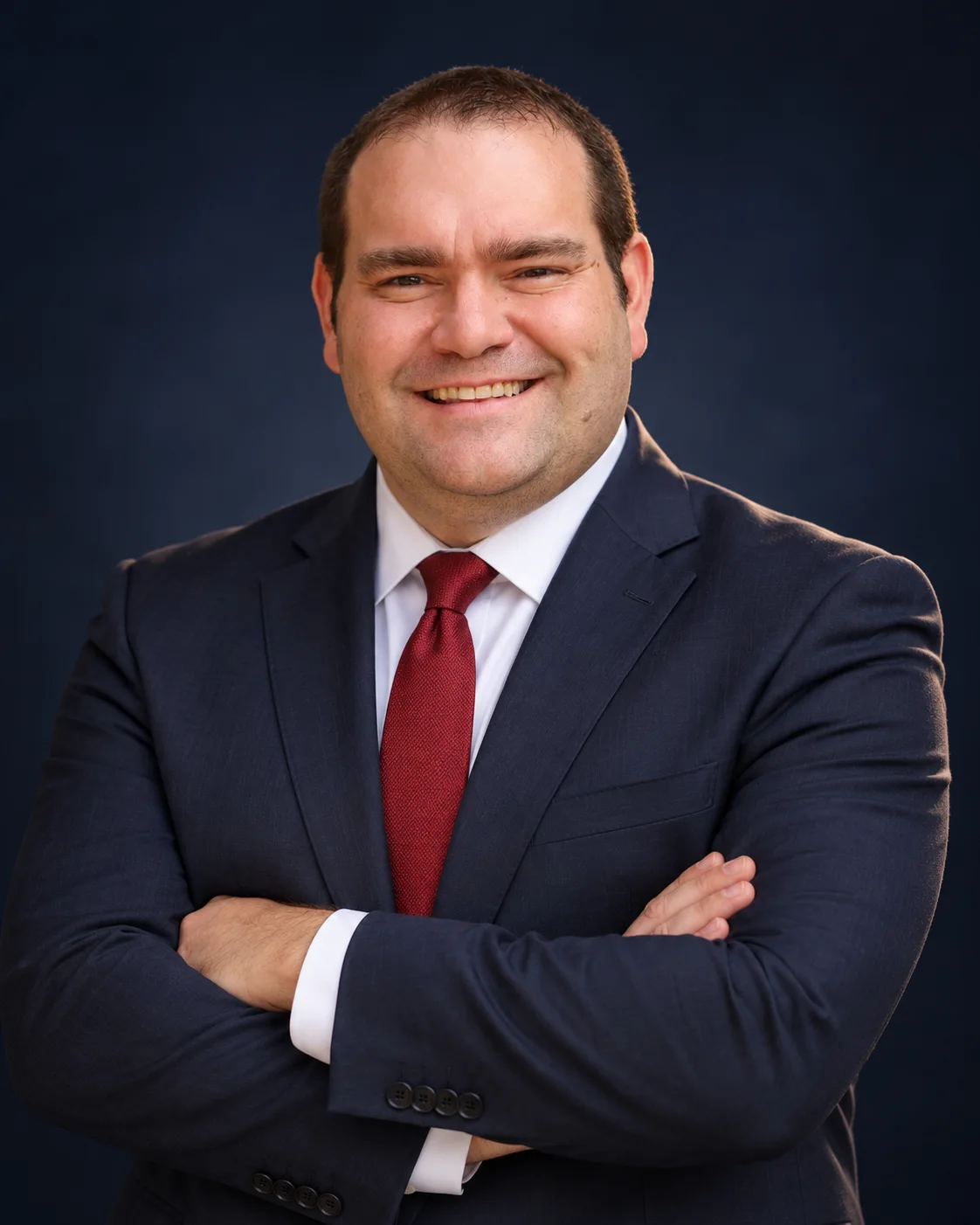
A PUBLIC REVIEW OF MIKE GREEN
“Mike is such a great attorney. He’s incredibly knowledgeable and helpful”
Samantha Scott · Google review displayed on Birdeye
Read the public reviewThe first offer is the insurer’s proposal. You deserve a team that will question it. 801 Injured builds your Utah car accident claim around what the crash has cost you and what your recovery may still require. We handle the evidence work, insurance communications and negotiations within your representation, so you have help with the claim while managing treatment and daily life.
Put medical bills, lost pay and the other effects of your injury into the demand—not just the vehicle estimate.
Let our team handle claim communications and explain the decisions that need your input.
Your evaluation is free. Our attorney fees depend on recovering compensation for you.

USEFUL RECORDS
If it is safe and lawful to do so, keep photographs showing the whole vehicle as well as close views of damage. Save original files rather than only screenshots or compressed messages. Keep estimates, tow and storage documents, and any notice that the vehicle will be sold or disposed of. Do not delay necessary care or put yourself at risk to collect evidence. Record what you observed separately from what another person told you.
Keep the original. Record the source. Mark what is still unknown.
LOCAL GUIDANCE
Official local source: Review the agency’s guidance and its dates
“Somewhere on the Wasatch Front” is not enough to locate the right report or reconstruct a disputed movement. Save the roadway, direction, nearest interchange or cross street and the agency shown on the incident information. A city street, state freeway, private parking area and public vehicle can lead to different record holders and legal questions. Our Draper office serves people across Utah; the evidence search follows your actual incident. The local reporting tools linked below are examples of different processes, not interchangeable statewide portals.
That is work we can take on: identify the right source, pursue relevant evidence and explain how it supports your claim. You do not need to solve the agency question before asking for a free evaluation.
Confirm the department that investigated. A mailing address alone does not identify the agency that created the report.
Keep the route, direction and exit or mile reference. Check the responding agency before using a city reporting form.
Identify the business, property manager and precise parking aisle or entrance. Private video may require a separate preservation effort.
Name the operator as well as the driver. Tell us promptly so any special notice and immunity questions can be evaluated.
Rear-end, turning, intersection and multi-vehicle claims need different proof. The label on the insurance file should not replace investigation. These are examples of questions we examine; none is a conclusion about fault.
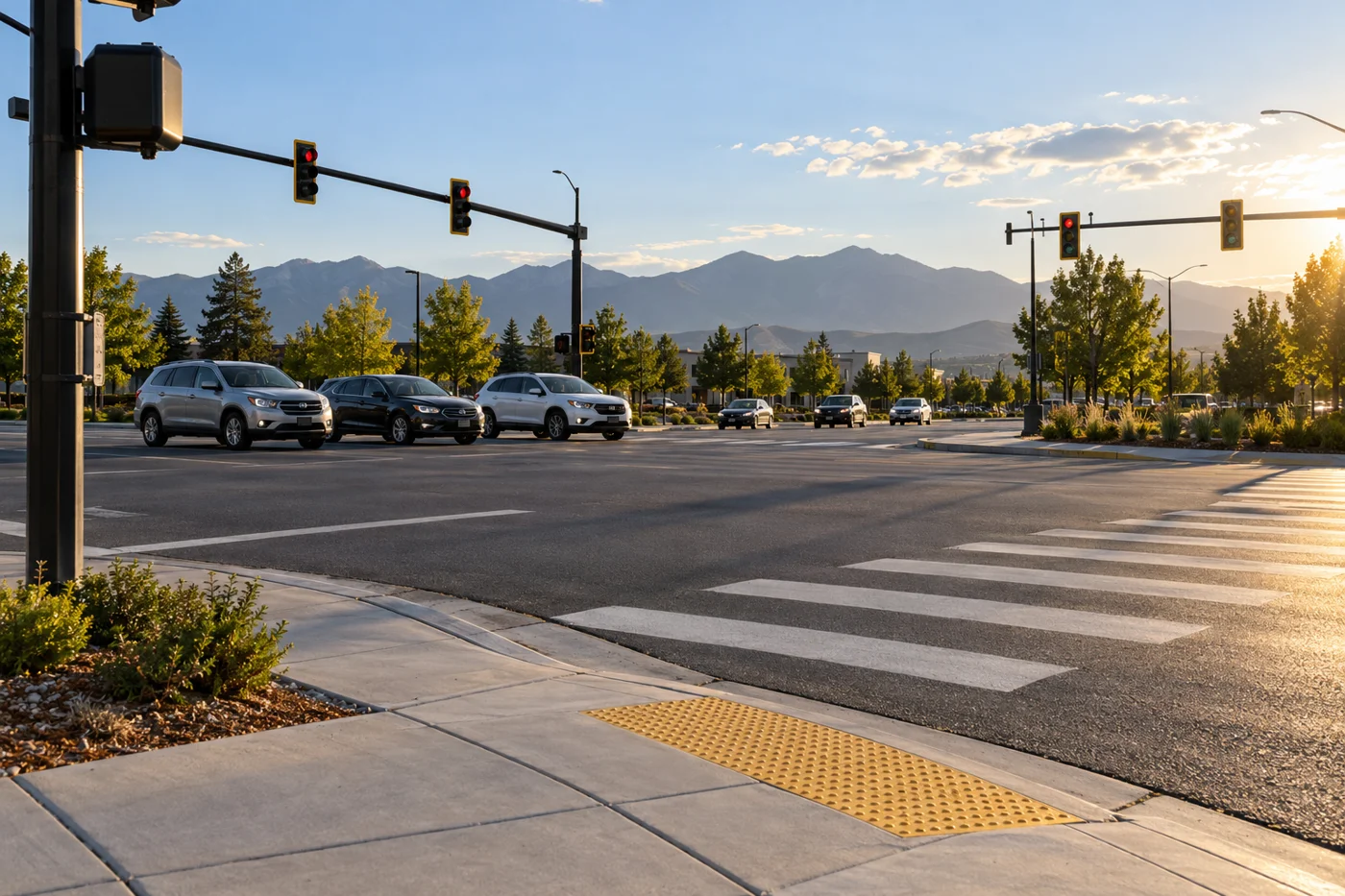
Was there one impact or a chain reaction? Save the order of the vehicles, any earlier contact and the complete dashcam sequence rather than a selected frame.
Which lane did each driver occupy, and what controlled the movement? Photographs of signs and lane markings may answer a different question from photographs of damage.
Keep partial identifying details, original recordings and the report reference. Have your own policy reviewed instead of assuming that an unidentified driver leaves no possible coverage.
Save trip status, employer information and app records where relevant. A personal policy, commercial policy or another arrangement may need review.
Utah’s Insurance Department explains that an agreed vehicle-damage payment can be handled while a bodily-injury claim remains unresolved. The practical question is what each payment and release actually settles. Keep separate records so one check does not hide another unanswered loss.
801 Injured connects those pieces into a demand for the compensation your case supports. You get help challenging an incomplete offer, without having to sort every insurance issue alone.
Utah Insurance Department: auto claims · Checked October 25, 2026
Save the estimate, valuation, tow charges and written vehicle offer. Mark which car and property the payment concerns.
Keep treatment bills and wage records together. Identify ongoing care or lost shifts that the current offer has not addressed.
Keep every page with the offer. Ask who would be released and which claims would end before treating the payment as final.
YOUR COMPENSATION
A useful damages file connects each amount or limitation with a source. Keep bills and explanations of benefits separate so the same charge is not counted twice. Describe changes with dates and examples. A daily note that you could not lift your child or finish a shift is more informative than an unsupported total. Future needs require appropriate support; do not guess at permanent impairment or future medical costs.

Provider names, visit dates, bills, prescriptions and travel records help organize the treatment history and out-of-pocket spending.
Keep schedules, wage records, employer correspondence and medically supported restrictions. A self-employed person may need business records rather than a conventional pay stub.
Record specific tasks that became harder, help you needed and how long limitations lasted. Preserve both improvement and continuing difficulty.
Bring unpaid bills, reimbursement notices and benefit correspondence. The amount offered and the amount ultimately available to you can involve different calculations.
Utah auto claims can involve benefits under your own policy and a liability claim involving someone else. The policy, injury and legal requirements matter. We explain which issue is being resolved so a fast answer about the vehicle does not substitute for an informed injury decision.
| Issue | What needs review |
|---|---|
| PIP | Utah’s auto-insurance statutes address personal injury protection benefits and eligibility. Coverage and payment questions should be reviewed against the applicable policy and law. |
| General damages | Section 31A-22-309 has several threshold alternatives, including specified serious injuries and medical expenses exceeding $3,000. That amount is not the sole route or a universal settlement minimum; the section also addresses uninsured-motorist claims. |
| Shared fault | Responsibility may be disputed or divided. Preserve evidence that answers the allocation rather than accepting a percentage simply because it appears in an adjuster’s letter. |
| Settlement release | Check whose claims and which injuries the document releases. An agreed property-damage payment and an unresolved bodily-injury claim can require separate attention. |
The agreed representation gives you help with the evidence, paperwork and insurance work. You make the important decisions.
Investigate disputed fault and review the actual offer.
Document losses beyond the vehicle repair.
Explain what a settlement would resolve.
23 USEFUL ANSWERS
A Utah auto claim can involve competing accounts, several insurance questions and an offer made while care is still underway. These answers help you preserve the useful records and identify what needs legal review. Bring the policy, proposed release and known gaps to a free evaluation.

QUESTIONS 1–6
Yes. You can describe the event and provide the agency and report number if known. Tell the firm what is missing rather than guessing what the report will conclude.
An insurer's position is part of the dispute, not a substitute for evaluating the evidence and applicable law. Keep the explanation and the material the insurer relied on.
Yes. The Utah Insurance Department explains that agreed property damage can be addressed while bodily-injury issues remain unresolved. Review any release carefully to understand its scope.
Utah uses comparative-fault rules. The evidence and the allocation of responsibility can affect recovery. Do not assume that any shared responsibility automatically eliminates a claim.
No. Claim type, defendant, accrual and other circumstances matter. A government entity or insurance contract can raise additional timing requirements. Obtain advice about your specific dates promptly.
Save the written offer, proposed release, claim correspondence and the documents used to explain your losses. Note whether treatment, bills or wage information remain incomplete.
QUESTIONS 7–12
Keep the vehicle evidence and obtain appropriate medical care. The relationship between the collision and an injury requires evidence; a modest repair estimate does not by itself answer a medical or causation question. Describe the symptoms accurately and bring the treatment records available.
No. The statute’s medical-expense threshold concerns a particular general-damages limitation and has other alternatives and exceptions. It is not a guaranteed payout or a reason to obtain unnecessary treatment. Have the actual injury and coverage reviewed.
Identify which insurer is asking, whether it is your own insurer and what the policy requires. Preserve the request and ask about it before guessing or accepting a broad characterization of the crash. Your contractual duties may differ from a request by another driver’s carrier.
Keep the original file and a backup, including the relevant time before and after contact. Note the device, time setting and how the file was exported. Do not replace the complete recording with a short edited clip or add labels to the only copy.
Bring your declarations page and any coverage selections or waivers. Uninsured or underinsured motorist coverage may be relevant, but availability depends on the policy and law. Do not assume coverage exists or that a policy limit establishes your claim’s value.
Tell us which vehicle you occupied, who drove it and whether several vehicles were involved. Coverage and responsibility still need to be sorted. Keep your own medical and expense records rather than relying entirely on the driver’s claim file.
QUESTIONS 13–16
Trial is not automatic. Negotiation, filing suit and trial are different stages, and the appropriate path depends on the dispute. We discuss the strategy for the particular case; no responsible evaluation can promise that litigation will never be needed.
The firm offers a free case evaluation and contingency fee representation. Before hiring us, review the written agreement for the percentage, how recovery is calculated, case expenses and what happens if there is no recovery. A general website phrase does not replace those terms.
A family member can help organize the initial inquiry. Explain their relationship and who was injured. Permission, representation and access to medical or other private records may require additional steps; do not assume a relative can sign every document for an adult.
Yes. 801 Injured offers Spanish intake, attorney communication and written updates. Tell the team your preferred language when contacting us so the conversation and follow-up can be arranged accordingly.
MORE HELP FOR YOUR SITUATION
Bring invoices, canceled jobs, business expenses and records from before and after the crash. Explain which work you could not do and what records are missing. A supported loss calculation needs consistent business information rather than an estimate of a typical week.
Label each request with the company, claim number and coverage involved. Your own policy and another driver’s liability coverage may raise different duties. We can help sort who is asking for what rather than have you answer from memory.
We identify the losses the offer addresses, the evidence behind disputed amounts and what is still missing. We present the supported injury claim and negotiate for maximum compensation. An investigation may also reveal a dispute that needs litigation.
The date and location, any insurer message and the injury information you have are a useful beginning. A report, photos or bills help if available. Tell us what is missing; an incomplete file should not prevent an inquiry.
A car accident attorney can review the injury claim separately from vehicle repairs, examine disputed fault and compare the offer with treatment and work records. Bring the release as well as the payment amount so the decision is based on the whole proposal.
Our Utah auto accident lawyer reviews the accounts, coverage documents, injury evidence and claimed losses. A first-party benefit request and a claim against another driver may need different documents; identifying which insurer is asking is part of the work.
Choose a car accident law firm that explains the investigation, communications and decisions it will handle. At 801 Injured, the proposed work can include gathering records, challenging disputed losses and negotiating for the compensation the case supports.
Utah's Insurance Department distinguishes a first-party claim under your own coverage from a third-party claim against another driver's insurer. Coverage, exclusions and duties depend on the actual policy and circumstances. An injury claim can also progress differently from an agreed vehicle-damage claim. Ask what a proposed release settles before signing it; the document may affect rights beyond the payment you are expecting. Do not assume that a check for repairs resolves only repairs without reading the accompanying terms.
YOUR NEXT STEP
Put 801 Injured to work on your Utah car accident claim. Tell us what happened and what the insurer has offered. We can discuss how to pursue compensation, take over the agreed claim work and help you make the next decision.
Share the date, location, injury and any urgent notice.
Records can be incomplete; identify the missing pieces.
Our team arranges attorney follow-up. Review scope and written terms before hiring us.

© 2026 801 Injured. All rights reserved. Privacy Policy
General information, not advice for a particular case. An inquiry does not by itself establish representation. Past results do not guarantee a similar outcome.