Challenge a low settlement offer
We compare what the insurer proposes with the records behind your injury and losses.
Fight for every dollar you deserve
A city crash should not leave you facing disputed blame and mounting bills alone. 801 Injured challenges weak insurance arguments and pursues maximum compensation. We handle the claim work and explain your choices while you focus on recovery.
Tell us what happened. Start here.
A disputed turn or one unclear photograph should not define your entire recovery. 801 Injured serves Salt Lake City crash victims from our Draper office. We build a clear account of the collision and press for compensation that addresses the injury, lost pay and other recoverable losses. Let us take on the insurance discussions while you get help with treatment, work and life after the crash.
We compare what the insurer proposes with the records behind your injury and losses.
We address competing crash accounts and handle the agreed communications with the insurance company.
We explain your options and bring offers to you. You decide whether a proposed settlement works for you.
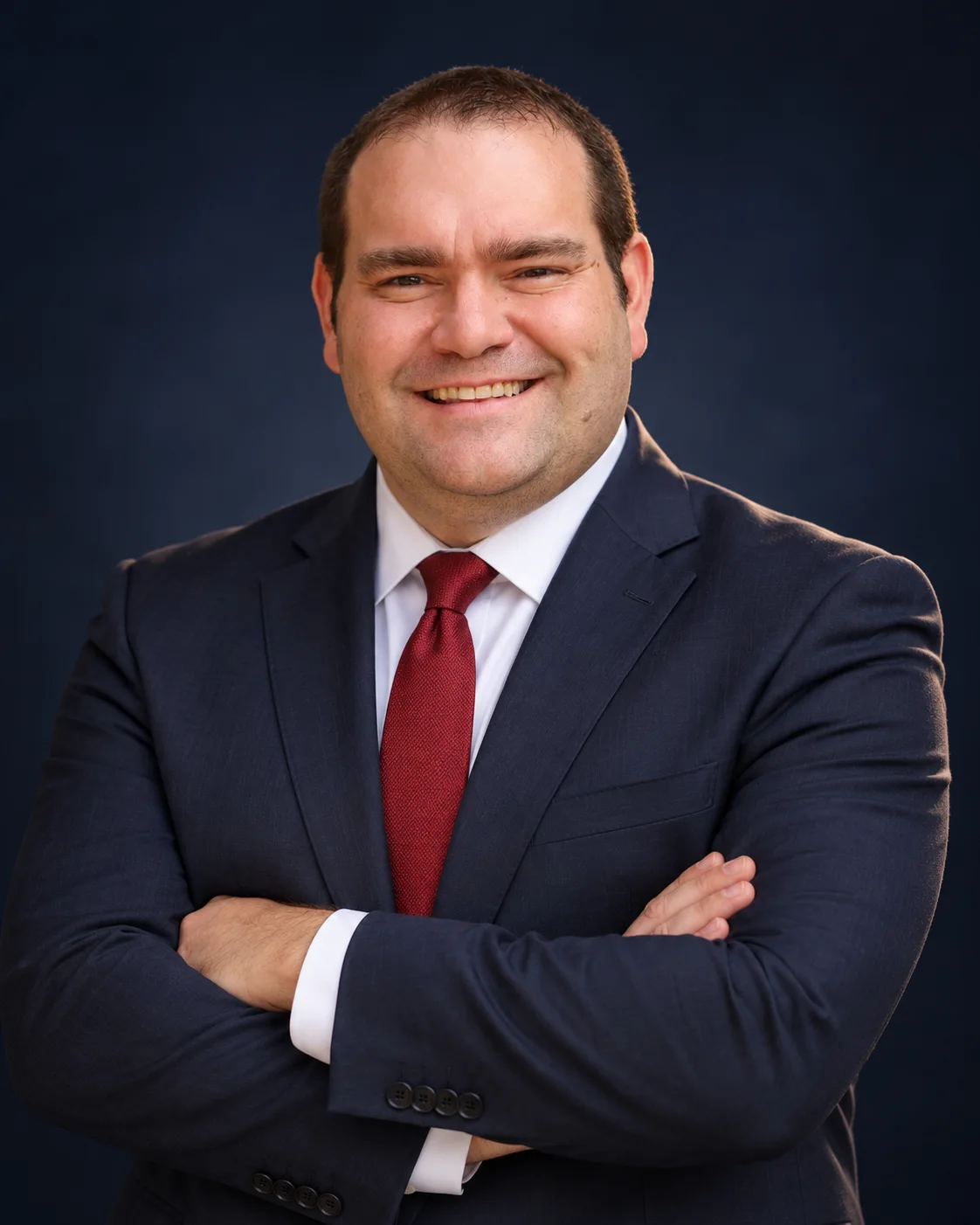
WHY CHOOSE 801 INJURED
An insurer has people working on its side of the claim. Put 801 Injured to work on yours. We connect the Salt Lake City scene evidence with your medical and work records, challenge efforts to shift blame and pursue the full compensation available in your case. We prepare for negotiation and possible litigation rather than treating the first offer as the finish line.
Vehicle damage is only one part of a crash. We pursue recoverable injury costs, lost income and the other ways your life has changed.
A lane change, turn or signal dispute needs more than an adjuster’s conclusion. We examine the scene, available recordings and witness accounts to challenge an unfair allocation of fault.
We want to know what the injury has changed at work and at home. Those details shape the claim and the advice you receive about an offer.
Our team handles the agreed investigation, insurer communications and paperwork. You do not have to coordinate every report request and insurance follow-up yourself.
We follow up on missing evidence and keep the work moving. An incomplete treatment record or unresolved loss deserves attention before you sign a final release.
There is no charge for the initial evaluation. Contingency attorney fees depend on recovering compensation, so you can discuss help without paying attorney fees upfront.
A PUBLIC REVIEW OF MIKE GREEN
“Mike is such a great attorney. He’s incredibly knowledgeable and helpful”
Samantha Scott · Google review displayed on Birdeye
Read the public reviewLOCAL GUIDANCE
Official local source: Review the agency’s guidance and its dates
Salt Lake City’s archived project page identifies the 200 South reconstruction corridor as 400 West to 900 East and reports completion in December 2024. It describes transit-priority lanes, boarding platforms, bike-lane changes and crossing improvements. That history matters when evaluating an old map, street-view image or witness sketch. A photograph from before the work may show a different arrangement. The project’s existence does not establish a crash hotspot, a defect or anyone’s fault; the question is what was in place at your exact location and time.
If an insurer relies on an outdated image, we can examine the mismatch and pursue evidence of the actual layout. The benefit is a focused answer to disputed blame, without leaving you to investigate street changes alone.
Keep the collision date and the capture date of any map or street-view image. Do not silently combine different versions of the street.
Identify the block, direction, lane and turning or crossing movement. The corridor description does not prove conditions at every intersection.
Mark where vehicles, bicycles, pedestrians and transit boarding areas were relative to the event. Do not infer that an improvement caused the collision.
Use incident-date media and relevant records to test the layout. The archived completion page is background, not a live traffic-control plan.
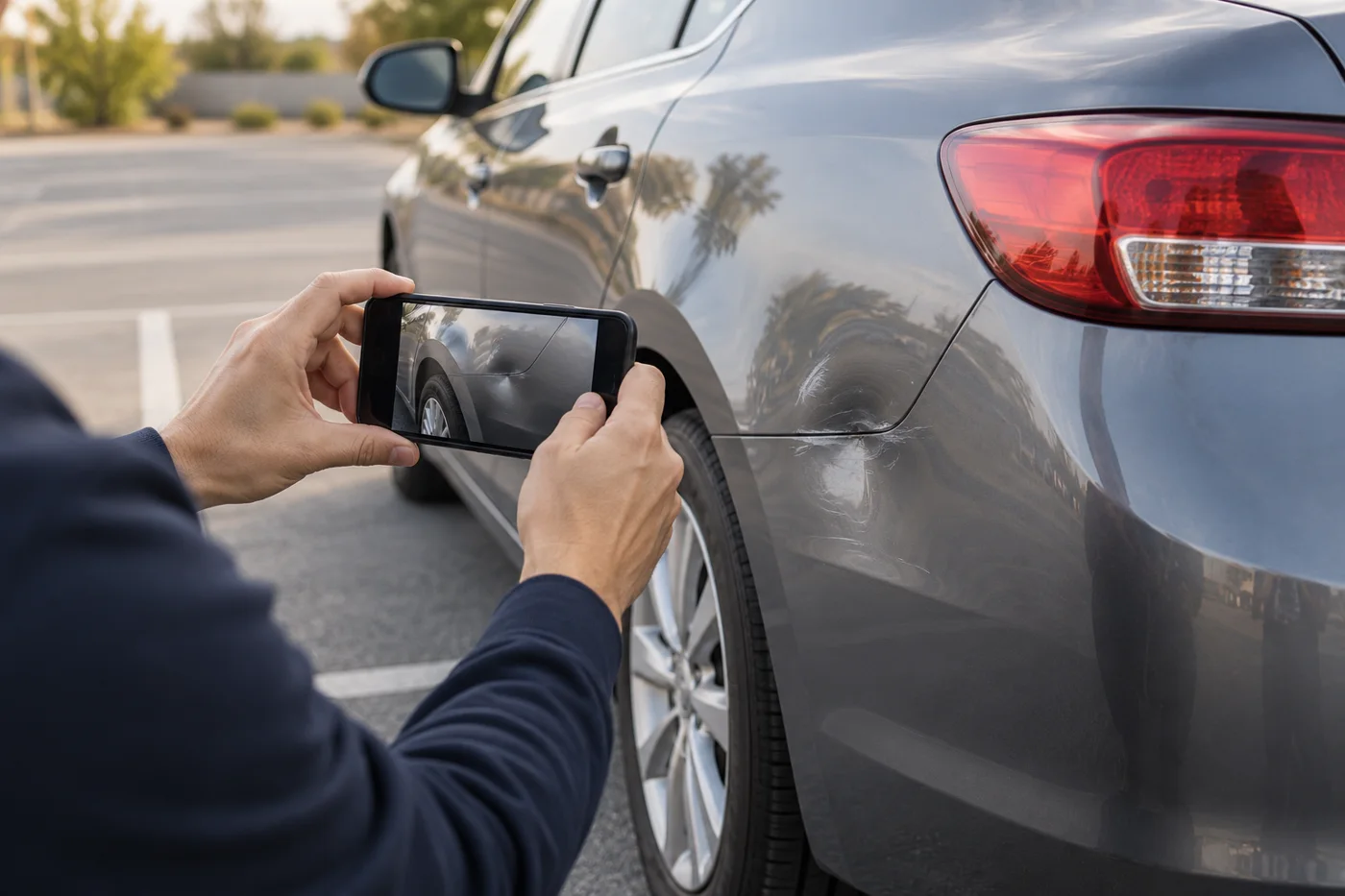
USEFUL RECORDS
SLCPD provides a GRAMA route for its records and describes several categories that may be available, including traffic reports and photographs. That does not mean every record is released with a report. Begin with the investigating agency and case number, then identify the particular evidence needed to answer the disputed question. If another agency handled a freeway or other incident, confirm the record holder before submitting a city request.
Keep the original. Record the source. Mark what is still unknown.
YOUR SITUATION
A citation, a quick insurance offer or an old street image may leave the real disagreement unresolved. Tell us what the other driver or insurer says, and where your account differs.
Identify the turn, crossing or lane change at issue. We test the account against useful evidence, including the layout on the incident date.
Bring the release and the expenses you know about. We examine treatment, missed earnings and other recoverable harm, not just the repair bill.
Start with the date, block and investigating agency if known. Our team can organize the agreed evidence work; you do not have to buy a complete file first.
Different questions require different evidence. Our work is to identify the disagreement and find the material that actually addresses it, rather than send an insurer a large file with no explanation.
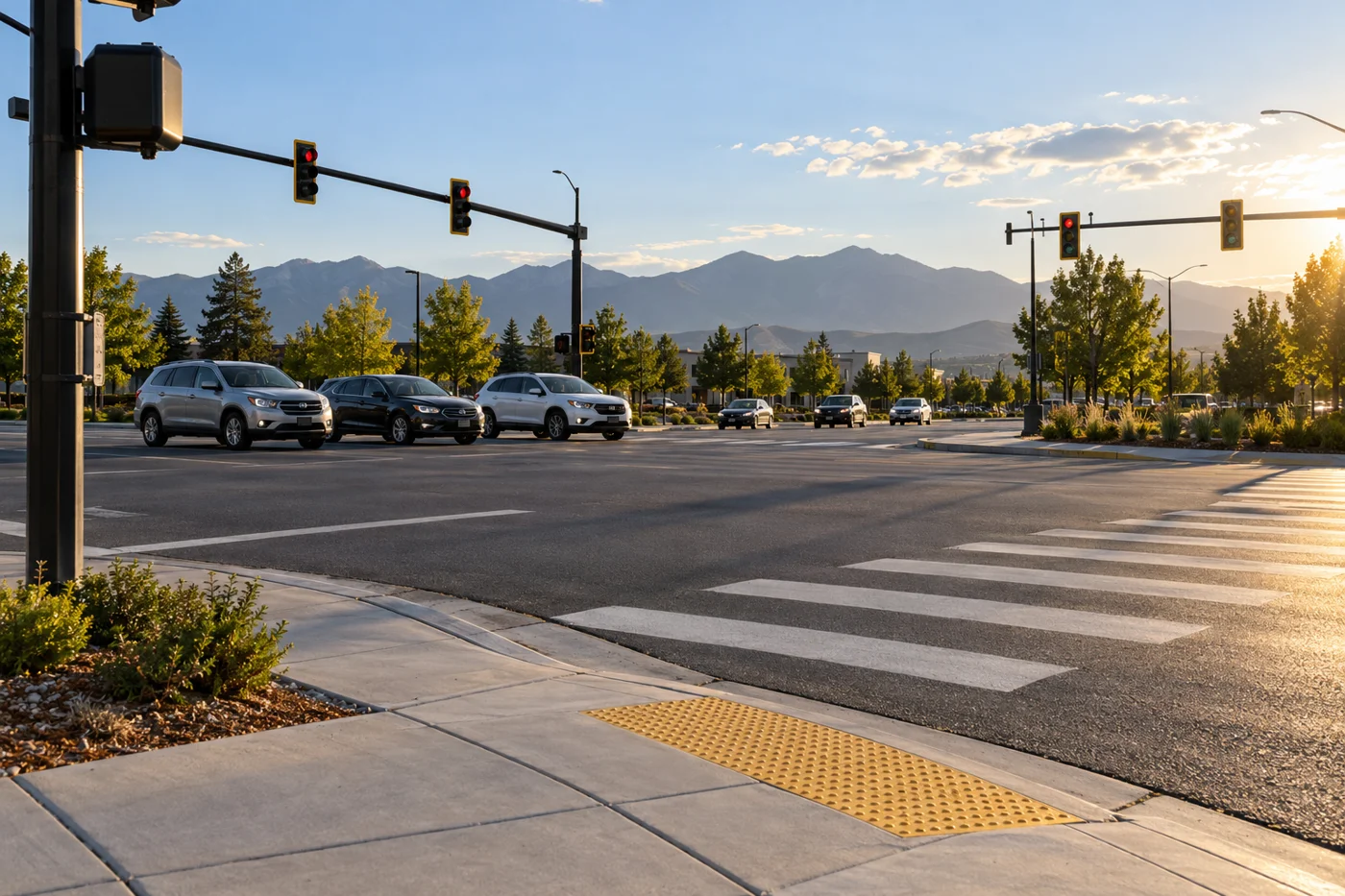
Locate witnesses with a useful view and preserve the whole recording. A photograph of the intersection taken later does not establish the signal indication during the event.
Identify lane use, permitted movements and visibility. A nearby transit platform or bicycle lane matters only if it relates to the actual movement in dispute.
Separate the sequence and damage from each contact. A driver pushed into another vehicle may have a different account from a driver who saw only the final positions.
Match care, employment and expense records with the period affected. A repaired vehicle does not show that the person has completed recovery.
A 200 South project document and an SLCPD crash record serve different purposes. The city’s archived project describes changes between 400 West and 900 East; SLCPD’s GRAMA route concerns records it holds. Put the question first, then choose the source that can answer it.
We connect the location, record and insurance argument so the insurer has to address the actual dispute. That gives your injuries and losses a clearer voice than a large file sent without an explanation.
SLCPD: access to existing police records · Checked October 25, 2026
Compare the exact block and image date with the incident. A corridor description is background; use incident-date evidence to test the movement.
Keep the investigating agency and case number. A report and supporting photographs or video may need separate attention.
Keep the written fault explanation with the evidence it relies on. A records response does not decide coverage or the value of your injury claim.
YOUR COMPENSATION
Insurers assess causation and damages as well as the driving event. A dated account helps explain which symptoms, appointments and work effects followed the crash. Include relevant earlier conditions and subsequent events rather than leaving the record to appear inconsistent later. Keep what your providers actually said separate from your own interpretation. Our goal is a credible, supported presentation of the effect on you.

Keep referral, imaging and treatment records together by date. Identify an appointment that was cancelled or delayed and the reason, without inventing a medical explanation.
Preserve shift changes, time records, restrictions and employer messages. Separate paid leave used from wages actually lost.
Save towing, storage, rental and travel documents. Note what an insurer has already paid so the accounting stays clear.
List unresolved bills, planned care and notices of reimbursement. Bring them to the evaluation before treating a gross offer as money available to spend.
The city records process can help obtain existing material. It does not negotiate the injury claim, replace an insurer’s policy or determine every legal issue. Keep the source and purpose of each document clear.
| Issue | What needs review |
|---|---|
| Crash report | The investigating agency’s record is evidence to examine. It may leave disputed facts unanswered or require a separate request for supporting media. |
| GRAMA response | Release, redaction or withholding concerns access to records. It is not a civil judgment for or against an injured person. |
| Coverage position | An insurer may rely on a policy provision or fault theory. Ask for the written explanation and preserve the policy documents for review. |
| Settlement release | The signed terms may end claims. Review the complete scope, particularly where treatment or other losses remain unresolved. |
The agreed representation gives you help with the evidence, paperwork and insurance work. You make the important decisions.
Compare the actual street layout with dated evidence.
Separate repair questions from the bodily-injury claim.
Explain what is addressed and what remains unresolved.
23 USEFUL ANSWERS
Salt Lake City claim preparation may require separating the crash report from supporting media and matching a changing street layout to the incident date. These answers focus on those practical decisions, disputed accounts and the documents behind an offer. An old image or a citation should not be asked to prove more than it shows.

QUESTIONS 1–6
Possibly. SLCPD lists multiple record categories, but access depends on the material and case status. Identify photographs or recordings separately and use the appropriate process.
No. Response, production, fees, redactions and restrictions can vary. Keep the acknowledgement and follow the agency's current instructions.
Identify the investigating agency from the incident information. Do not assume that a Salt Lake City mailing location makes SLCPD the custodian.
Keep the original files. Separate annotations can explain positions or questions without altering the underlying record. Preserve how and when the files were obtained.
Yes. Describe the conflicting accounts, available records and insurer positions. An evaluation can identify information needed; it cannot promise what future evidence will show.
Include date, exact location, investigating agency, vehicle occupants, current treatment, insurers and important written notices. Clearly mark information you have not verified.
QUESTIONS 7–12
It can help explain why a current photograph differs from an older layout. The city reports completion in December 2024 for its defined corridor. That does not prove fault or current conditions at your block; match the evidence to the incident date.
Check the image date and compare it with the collision date and any project history. Use an older image as context with its limitations identified. It should not be presented as a contemporaneous photograph when the street arrangement may have changed.
A citation and a civil damages assessment serve different purposes. Responsibility, causation, coverage and the amount of loss may remain disputed. Keep the citation and related records, but do not assume it resolves the entire injury claim.
Use the records-request route for existing records. The online-reporting tool has a different purpose and eligibility limits. If you are unsure which agency investigated, start with the incident information rather than submitting the same event through several unrelated portals.
Record the business, camera location if visible, and the date and time window. Tell counsel promptly about possible preservation. Do not assume the camera worked, faced the event or retained the footage, and do not enter restricted areas to investigate it.
You do not need to buy every possible record before requesting an evaluation. Bring what you have and identify pending requests or quoted fees. The team can discuss which information addresses the actual dispute and whether additional authorization or requests are needed.
QUESTIONS 13–16
Yes. Describe your role and the vehicle movement rather than forcing the event into a driver-only account. Preserve crossing position, visibility, scene media and care records. Liability and coverage still depend on the particular facts and applicable rules.
Our confirmed office is in Draper, and we serve injury clients across Utah. This Salt Lake City page describes the claim work and local resources for an incident there; it does not represent an additional neighborhood office.
Compare its stated basis with the care, work and other records available. Identify ongoing treatment, unpaid bills, disputed facts and the proposed release. An evaluation can address those gaps; a quick online formula cannot reliably value the claim.
Our intake or answering team may receive the inquiry and arrange attorney follow-up. Explain the date, place, injuries, insurers and any urgent written notice. The evaluation is free; representation and contingency terms are discussed before you hire the firm.
MORE HELP FOR YOUR SITUATION
No. The archived project describes the corridor and reports completion in December 2024. It can flag a date mismatch, but the exact block, movement and incident-date conditions still need investigation.
Explain where you were and how the injury happened: a vehicle impact, a boarding movement or a surface condition raises different questions. Identify the operator and exact location rather than assuming every record belongs to the city police.
We evaluate the offer against the supported losses and unresolved issues. We negotiate for maximum compensation and explain the proposal to you. You decide whether to accept a settlement; hiring us does not mean accepting a quick number.
Our actual office is in Draper, and we serve Salt Lake City injury matters. Contact our team to discuss how to start and what records you can share. Do not travel to a police counter or collect every record as a condition of asking for help.
A Salt Lake City car accident attorney can investigate the disputed movement and review the injury claim. Bring the actual block, direction and crash date. Dated street images can provide context, but our investigation needs the layout and evidence relevant to your collision.
For a Salt Lake City crash, our car accident lawyer examines the accounts, roadway evidence, insurance documents and losses. A vehicle offer should be distinguished from the injury claim, and an older street diagram should not substitute for the incident-date conditions.
801 Injured serves Salt Lake City from its Draper office. The city page describes the area we serve and relevant claim questions; it does not announce a Salt Lake City office. Our law firm can explain how contact, records and attorney follow-up would work for your case.
Before deciding about an injury settlement, identify what remains unknown: ongoing care, unpaid bills, lost work, conflicting accounts or possible coverage. Save the proposed release as well as the dollar offer. When contacting 801 Injured, describe these unresolved issues and ask how the evidence would be assessed. Do not assume a police citation, an adjuster's statement or the absence of a citation determines the entire civil claim.
YOUR NEXT STEP
Before you accept the insurer’s view of your Salt Lake City crash, get 801 Injured’s evaluation. Bring the offer if you have one. We can discuss the compensation to pursue and the insurance work we can take off your plate.
Share the date, location, injury and any urgent notice.
Records can be incomplete; identify the missing pieces.
Our team arranges attorney follow-up. Review scope and written terms before hiring us.

© 2026 801 Injured. All rights reserved. Privacy Policy
General information, not advice for a particular case. An inquiry does not by itself establish representation. Past results do not guarantee a similar outcome.