Fight for more than repair money
We build the demand around medical care, work losses and other recoverable consequences of your Provo crash.
Get paid for your full recovery
You have enough to manage after a Provo crash. Let 801 Injured take on disputed blame, missing records and insurance negotiations. We fight for maximum compensation while helping you understand the decisions that affect your recovery.
Tell us what happened. Start here.
You do not need another task while your vehicle is in the shop and your treatment is underway. You need a team that can take the claim work forward. 801 Injured serves Provo crash victims from our Draper office, handling the agreed evidence work and insurance negotiations while pursuing compensation for the full effect of the injury.
We build the demand around medical care, work losses and other recoverable consequences of your Provo crash.
Start with the facts and documents you have. We can identify the missing evidence and next steps.
Let our team manage the agreed insurance communications and paperwork while you manage your recovery.
WHY CHOOSE 801 INJURED
If an insurer wants to close your Provo claim quickly, you need someone looking at what the offer actually covers. 801 Injured fights for maximum compensation while taking the legal and insurance work off your shoulders. We challenge disputed fault, prepare the evidence and explain your options so you can make an informed settlement decision.
Treatment, missed work and help at home can matter long after a vehicle estimate. We build the compensation demand around the losses your case can recover.
We question an insurer’s reasoning and negotiate from the evidence. When a settlement cannot fairly resolve the dispute, we prepare for the next legal steps.
A merge, changing road layout or several impacts can complicate blame. We investigate the actual movement and crash date rather than accepting a quick label.
We organize the agreed reports, records and insurance follow-up. You do not have to chase several departments while trying to get back to work or school.
Tell us about your job, classes, travel and care needs. We explain key decisions with those concerns in mind, with communication available in English or Spanish.
Start with a free evaluation. Our contingency attorney fees depend on a recovery, making it possible to seek help without paying attorney fees upfront.
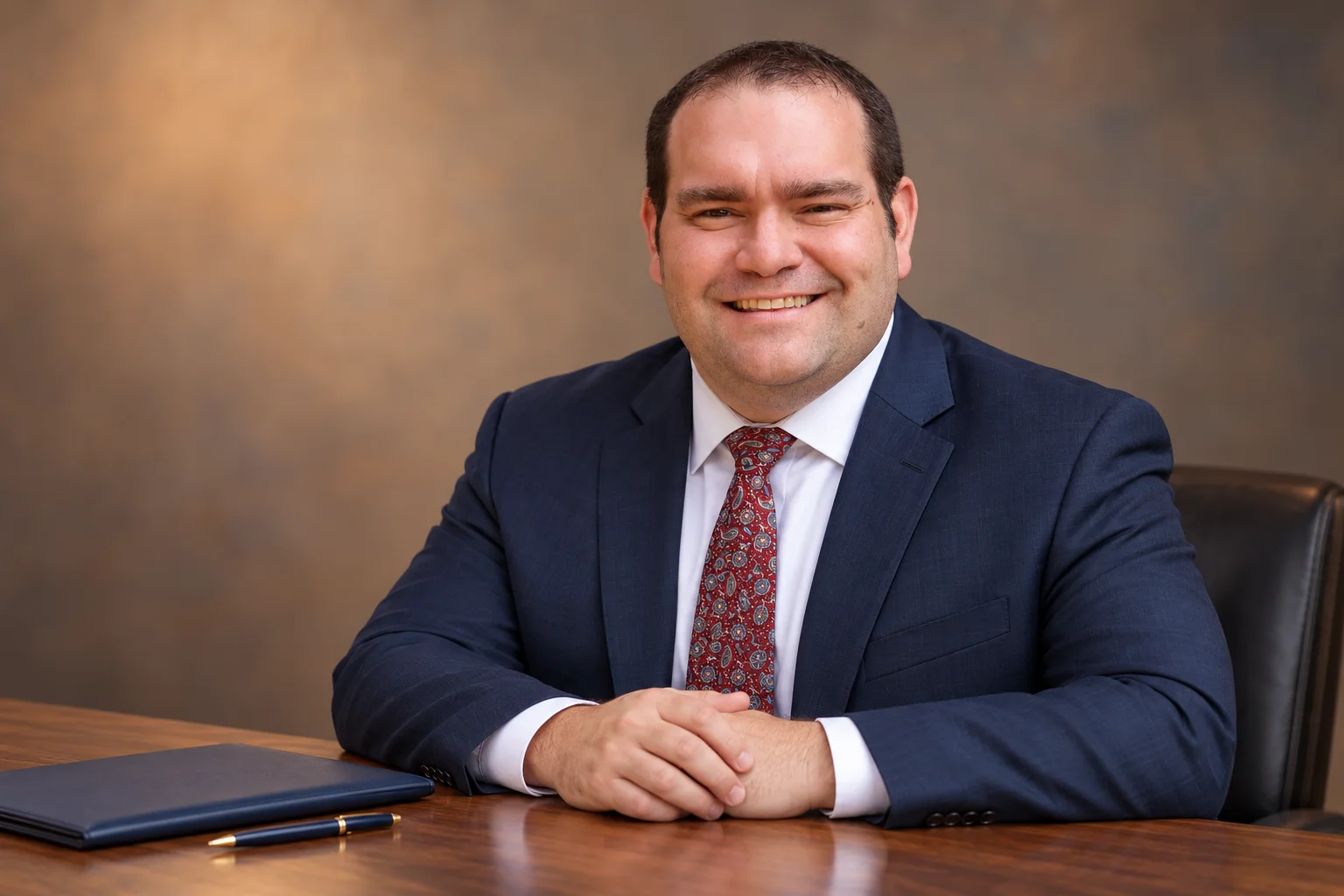
A PUBLIC REVIEW OF MIKE GREEN
“Mike is such a great attorney. He’s incredibly knowledgeable and helpful”
Samantha Scott · Google review displayed on Birdeye
Read the public reviewYOUR SITUATION
Whether the crash involved a changing lane layout, an intersection or a freeway, you can ask for help before the investigation is complete. Tell us what is making the next step difficult.
Keep the date and the movement you remember. We compare accounts with relevant incident-date evidence instead of treating a construction schedule as proof.
Save current contact details and the documents you have. We can discuss your Utah claim without making a return trip to gather every record your first task.
Bring the full offer and release. We examine the losses and outstanding questions before you decide what the proposed payment would resolve.
A useful Provo crash investigation begins with the mechanism and the organizations involved. It does not begin by declaring a roadway dangerous. We use the facts to decide which documents, witnesses and coverage questions deserve attention.
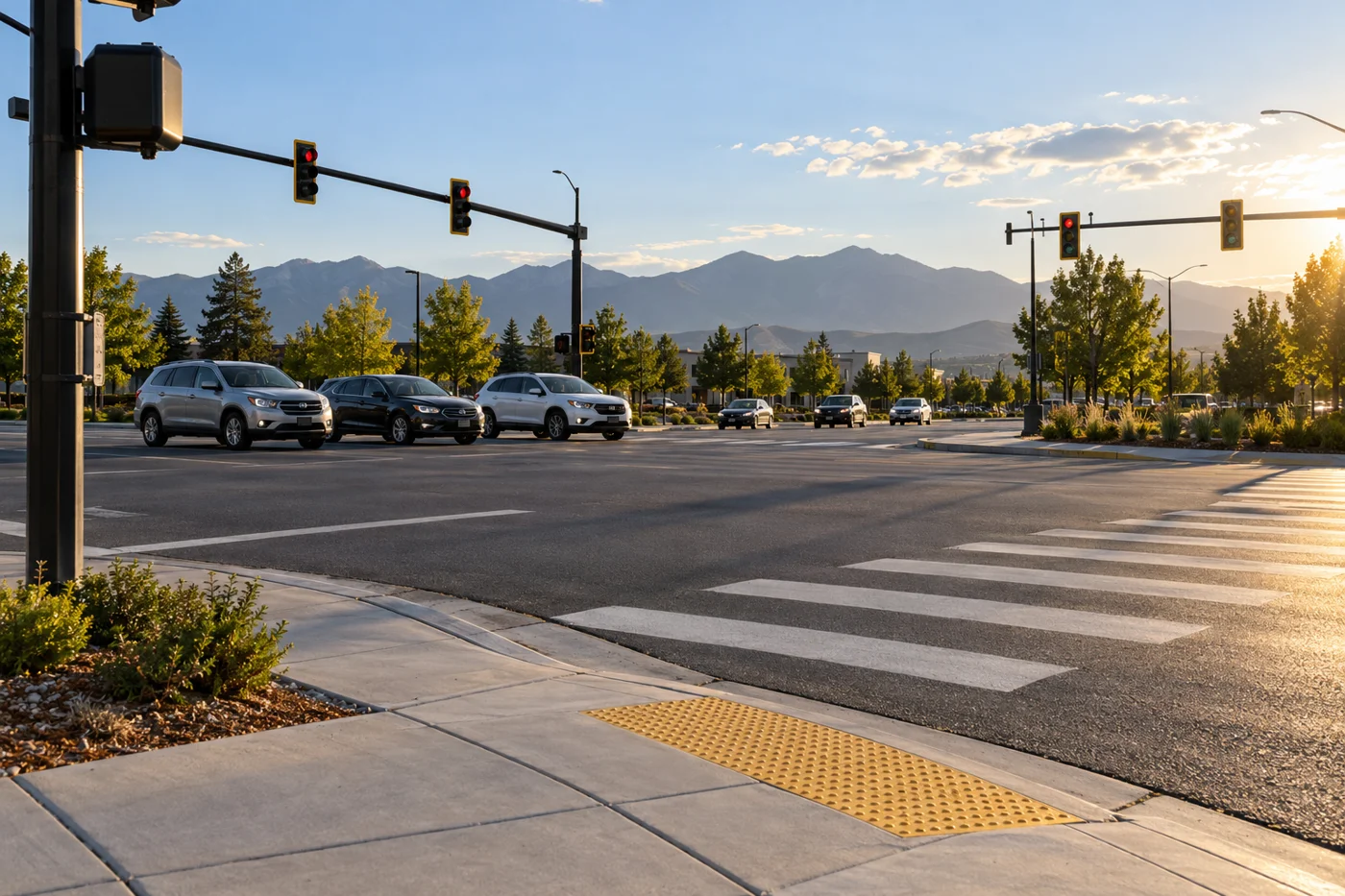
What directed each driver, and where did contact occur? Compare accounts with incident-date markings and complete recordings. A project’s presence alone does not identify who made an unsafe movement.
Locate the vehicles before impact and identify the control each driver faced. Distinguish what a witness saw from what they inferred after hearing the collision.
Preserve local contact information, travel dates and access to records before leaving the area. Your residence does not replace the crash location or determine the investigating agency.
Record the interchange, direction and responding agency. Provo’s city online-reporting eligibility excludes state freeways, so check the appropriate process instead of choosing a convenient city form.
LOCAL GUIDANCE
Official local source: Review the agency’s guidance and its dates
UDOT’s University Avenue bridge project covers 920 South to 400 South in Provo and describes phased construction planned for fall 2025 through fall 2027. When checked on October 25, 2026, the page still described phase-one traffic shifted to the east side, with one lane each way, while the schedule anticipated phase two in fall 2026 subject to phase-one completion. That is a reason to preserve incident-date signs, lane positions and any available work-zone information—not to assume a particular phase was active. A construction schedule does not prove a defect or negligence. Match every claim about traffic control to the exact date and place.
We check the incident date against the source instead of assigning fault from the project schedule. That work helps challenge an insurance argument about lane use without asking you to return to a live work zone.
Save the incident date and any contemporaneous project notice. A planned phase boundary is not confirmation of the traffic pattern on that day.
Record your direction, the approach to the bridge and the specific movement involved. A project-wide map may not depict the relevant point of conflict.
Preserve existing scene images and relevant notices. Do not return to a live work area or stand in traffic to obtain better photographs.
Keep the date and source of a layout image. A future bridge rendering is not evidence of the roadway configuration during construction.

USEFUL RECORDS
Write down the sequence you remember without filling gaps. Save original photos, exchange details, claim numbers and messages. Distinguish what you saw from what a passenger or witness later explained. If a vehicle is repaired or disposed of, contemporaneous images and documents may become harder to replace. Collect only what is safe and lawful; a useful chronology does not require returning to a dangerous location.
Keep the original. Record the source. Mark what is still unknown.
Provo’s GRAMA page provides separate links for police and fire records and explains that requests seek existing documents. If both services responded, one record may describe the collision while another concerns the response. Neither should be assumed to include the entire event file.
801 Injured can organize the agreed requests and use the records to explain the claim. You get help with the paperwork while the evidence stays tied to what actually happened in Provo.
Provo: separate police and fire records routes · Checked October 25, 2026
Keep the date, precise location and references you received. Identify which service created each document rather than mixing all reference numbers together.
A police account, response record and insurer letter answer different questions. Describe the existing material sought, not a request for an agency to decide compensation.
Keep the original dates and any gaps. Your treating provider’s records remain separate from an emergency response record; do not treat one as proof of the other.
YOUR COMPENSATION
A report helps describe the event, but it will not track the months of practical effects that follow. Keep a separate recovery record organized by date. Include the documents that support missed work, care and other claimed expenses, and identify what has already been reimbursed. Accurate accounting helps the claim and keeps the eventual settlement discussion grounded in your circumstances rather than somebody else’s headline result.

List the providers and dates, with bills and recommendations. Describe symptoms to your providers accurately and keep personal notes separate from medical conclusions.
Preserve time sheets, wage information, leave used and restrictions. If returning to work required reduced hours or modified duties, keep the record of that change.
Save tow, storage, rental and replacement-transport documents. Note the dates and reason for each expense, including any payment already made by an insurer.
Bring notices of unpaid bills, disputed charges and possible reimbursement. Ask how these obligations affect a settlement decision rather than assuming the gross amount is the final net recovery.
Provo provides one route for eligible new online reports and different links for police and fire records. Its GRAMA guidance concerns existing documents, not an agency’s answer to whether someone should pay your claim. Those tools help organize information; they do not replace the legal steps for pursuing compensation.
| Issue | What needs review |
|---|---|
| New report | Use only an eligible process. An emergency or an injury requiring immediate assistance belongs with emergency services, not a convenient online form. |
| Existing record | Identify the agency, reference and material requested. A police account and a fire-response document may require separate requests. |
| Insurance claim | Keep the insurer’s notices and policy documents. Contractual cooperation and coverage questions differ from the city’s records process. |
| Legal action or notice | Have the applicable defendant, deadline and starting date reviewed. Waiting for records does not provide a safe assumption that time has stopped. |
The agreed representation gives you help with the evidence, paperwork and insurance work. You make the important decisions.
Distinguish the street, freeway and correct record holder.
Document the supported injury losses.
Handle the agreed claim work and explain your options.
23 USEFUL ANSWERS
A Provo case may involve a changing project layout, a freeway reporting question or records held by different departments. Use these answers to keep the event, the paper trail and the recovery record distinct. You can ask for an evaluation before every missing document has arrived.

QUESTIONS 1–6
The city's published eligibility instructions exclude state freeways. Confirm the appropriate responding or reporting agency for the event instead of selecting an inapplicable online category.
No. One seeks existing government records; the other concerns insurance coverage and payment. A civil claim may also involve separate notice and filing requirements.
Its official GRAMA page provides distinct links. Start there and follow the current instructions for the record type rather than assuming all records go to one general inbox.
Do not assume it does. Record the property and responding agency, then verify which organization holds the relevant records for that incident.
Record what you do remember and identify the gaps. Do not reshape your account to match an insurer's theory or a later photograph.
Ask which claims the release covers, what information remains incomplete, and how ongoing care and losses are being considered. Keep the full written documents for review.
QUESTIONS 7–12
No. The published schedule is phased and expressly subject to change. Keep the incident date and contemporaneous scene evidence, then compare them with the relevant project information. A scheduled transition or future rendering is not proof of what a driver actually encountered.
No. Identify the movement, signs, visibility and accounts that relate to the event. Construction may be relevant background without establishing fault. A claim involving a contractor or public entity requires investigation of the actual conduct and applicable legal rules.
Preserve contact details, report references, original files and the dates of care before documents scatter. Tell the firm where you live and where the incident occurred. Follow-up and the legal analysis can be discussed without inventing a Provo residence or office.
Yes, if it identifies what the passenger personally observed and from where. Save independent witness details and avoid coaching people into a shared narrative. A passenger may have seen the approach, heard an impact or only observed final positions; distinguish those situations.
Keep the notice and contact information and raise preservation with counsel promptly. Save existing photographs, estimates and tow records. Do not ignore contractual or storage obligations, and do not assume that an ordinary repair photograph preserves every potentially relevant component.
That depends on the dispute and what records were created. Provo provides separate request routes. A response record might help explain timing or transport, while a police report addresses other facts. Ask which material would answer a real question before seeking every possible document.
QUESTIONS 13–16
Yes. Explain the care underway, recommendations and information not yet available. A release may have lasting consequences. The evaluation should consider the actual documents and uncertainties; neither the insurer nor the firm should promise that every future need can already be known.
If the firm accepts the case and you retain it, the representation can address insurer communications, evidence and settlement discussions within the agreed scope. First discuss what the firm would handle and what cooperation or documents it needs from you.
The firm offers contingency fee representation and a free case evaluation. Review the written terms for the fee calculation, expenses and the consequences of no recovery. Ask for clarification before hiring the firm rather than relying on a short website slogan.
Save the complete offer, release and deadline stated in the request. Tell the firm the time pressure when contacting it. Do not send only the payment amount; the conditions and claims being released may be the most important part of the review.
MORE HELP FOR YOUR SITUATION
Check incident-date notices and scene evidence. When reviewed on October 25, 2026, UDOT’s page still described the phase-one traffic pattern while its schedule anticipated phase two in fall 2026 subject to phase-one completion. That difference is why a schedule alone cannot establish your crash-day layout.
No. Identify what document you have and who created it. A response record and the records of later treating providers serve different purposes. Keep both when available and explain gaps without assuming one proves the full course of care.
We examine the accounts, incident-date signs and markings, recordings and other relevant evidence. We then address the insurer’s explanation with the supported facts. The presence of construction alone does not establish which driver caused the collision.
Tell us where the crash happened and where you now live. Your residence does not replace the investigating agency or incident location. We serve Utah injury matters from Draper and can discuss how to organize the information you already have.
A Provo car accident attorney can help review disputed fault, insurance requests and an offer that may not address the injury losses. Keep the exact route and responding agency, particularly when the crash involved a freeway rather than a city street.
A Provo crash lawyer should follow the actual collision: roadway, direction, vehicles, responding agency and available recordings. That information helps identify relevant records before the legal review turns to coverage, responsibility and the effect of the injury on work and daily life.
Yes. Our personal injury law firm serves Provo clients from the Draper office. We can discuss the proposed evidence and insurance work, language preference and follow-up without implying that the Provo service page represents another office.
Provo's online-reporting instructions require an eligible incident within city limits and exclude state freeways. Do not assume that this portal is the right way to handle every car crash, especially one involving injuries or an emergency. Record the exact place, direction and responding agency. A nearby campus or freeway can raise a jurisdiction question; verify the particular event instead of applying an unrelated online category to it.
YOUR NEXT STEP
You focus on your next appointment and getting your life back. Let 801 Injured evaluate the insurance dispute and explain how we can pursue your compensation. Start with a free case evaluation.
Share the date, location, injury and any urgent notice.
Records can be incomplete; identify the missing pieces.
Our team arranges attorney follow-up. Review scope and written terms before hiring us.

© 2026 801 Injured. All rights reserved. Privacy Policy
General information, not advice for a particular case. An inquiry does not by itself establish representation. Past results do not guarantee a similar outcome.